St. Wenceslas Organ Concert
An Organ Recital by Candlelight
Friday, 27. 9. 2024 at 19:00
Monastery Church of the Assumption of the Virgin Mary and St. Wenceslas
Znojmo-Louka (Czechia)
The programme includes works by Georg Muffat (1653–1704), William Byrd (1543–1623), Franz Danksagmüller (b. 1969), Johann Ulrich Steigleder (1593–1635), and others. A highlight is the inclusion of the modern piece “There is no free will” for organ and electronic music by Franz Danksagmüller.
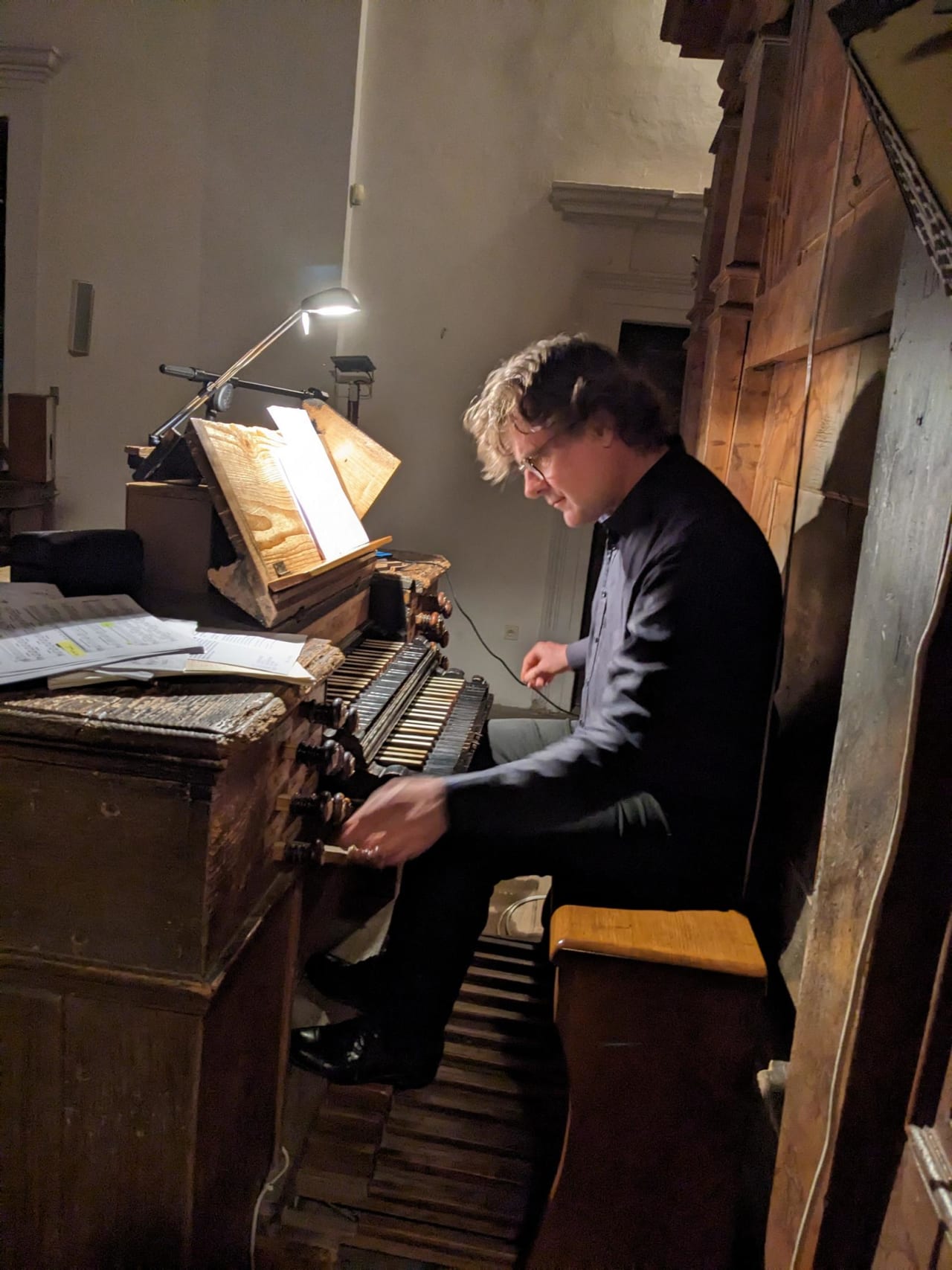
Performed by Franz Danksagmüller from Austria on the organ.
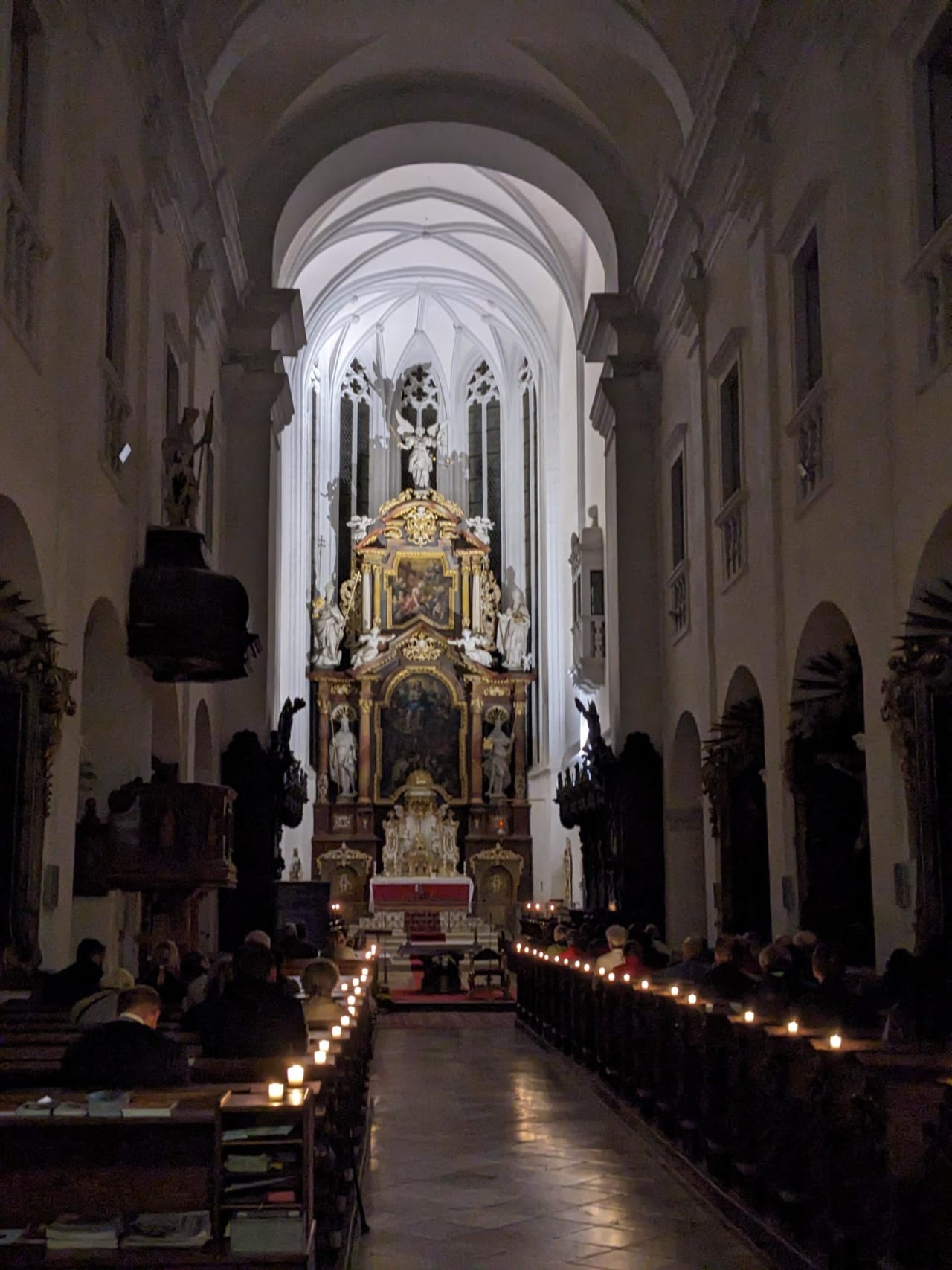
The concert takes place in the monastery church of the Assumption of the Virgin Mary and St. Wenceslas in Znojmo-Louka. The church combines elements of various architectural styles up to the Baroque and is part of a significant Premonstratensian monastery.
Veranstaltung auf Facebook
Künstler
- The composer and organist Franz Danksagmüller combines a broad musical spectrum in his innovative projects, compositions, and live electronic performances. In his work, the connections between historical and contemporary music, between classical musical instruments and their modern electronic counterparts, are constantly present. Franz Danksagmüller performs as a soloist and as a member of various musical ensembles. In recent years, he has been a guest organist and performer at the Elbphilharmonie in Hamburg, the Konzerthaus in Berlin, the Palace of Arts in Budapest, the Orgelpark in Amsterdam, the Holland Organ Festival in Alkmaar, the Musica Sacra festival in Sankt Pölten, and the Sinus Ton festival in Magdeburg. His compositions have been featured in the Paul-Hofhaimer-Preis competition in Innsbruck, the International Organ Festival in Alkmaar, the Rainy Days festival at the Luxembourg Philharmonie, the Carinthischer Sommer in Ossiach, Austria, the Silbermann Tage in Freiberg, and the ECHO competition in Treviso. In his genre-spanning and interdisciplinary projects, Franz Danksagmüller has collaborated with scientists and various artistic personalities, including the bass-baritone Klaus Mertens, the composer and creator of Kyma, Carla Scaletti, and the player of the American wind instrument, the duduk, Gevorg Dabaghyan.
Entritt
Voluntary admission
Programme
(1653–1704)
Toccata Decima
(1543–1623)
(*1969)
(*1969)
(1593–1635)
Coral im Discant. 4 Vocum. Coral im Tenor. 4 Vocum. Coral im Bass. 4 Vocum. Coral im Discant mit einem Collerierten Bass. 3 Vocum. Coral im Discant un Bass. 3 Vocum. Die 40. und letste Variation / auff Toccata Manier.
(*1969)
for organ and electronic music
(1653–1704)
Toccata Duodecima
Fotogallerie
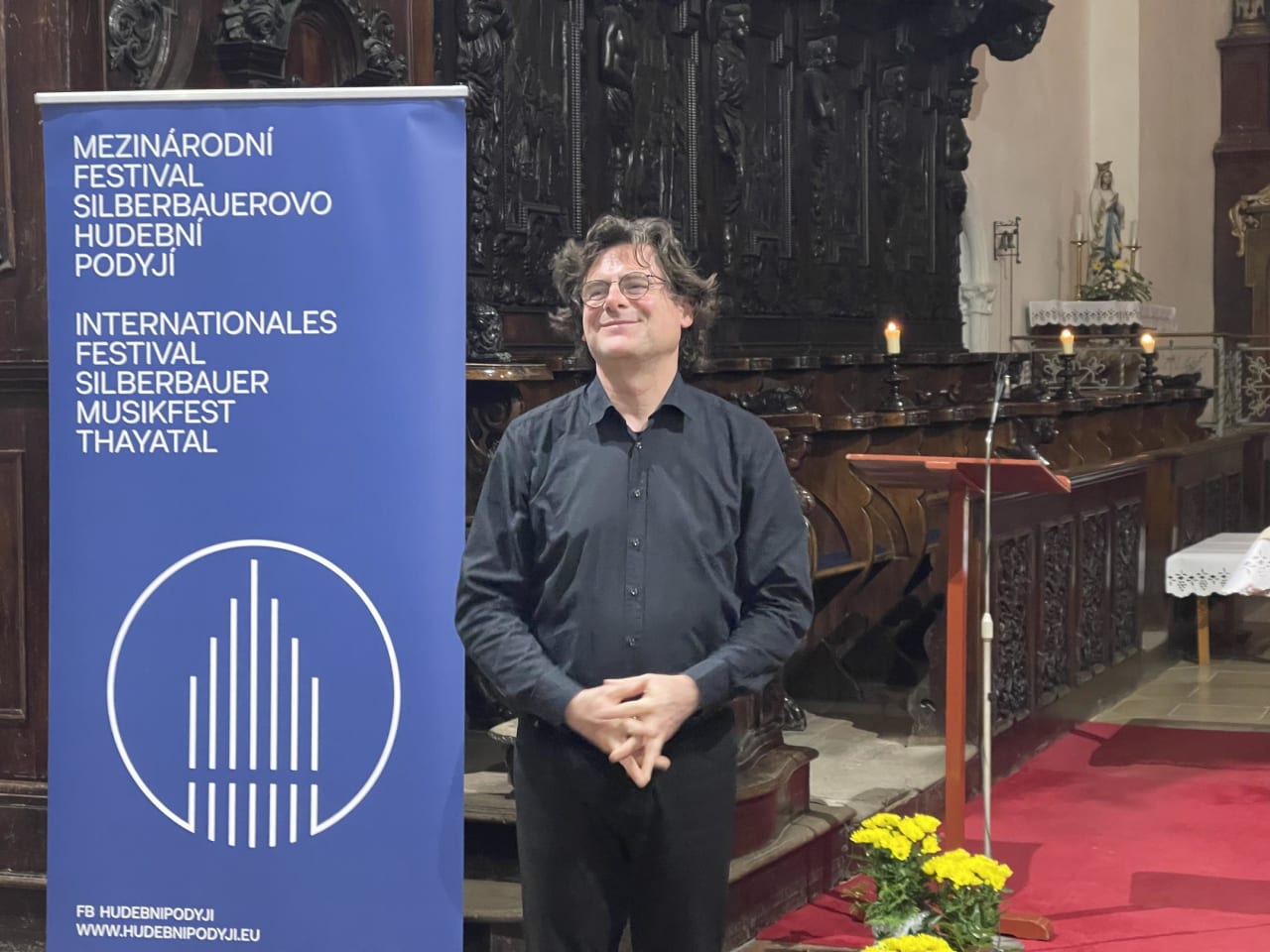
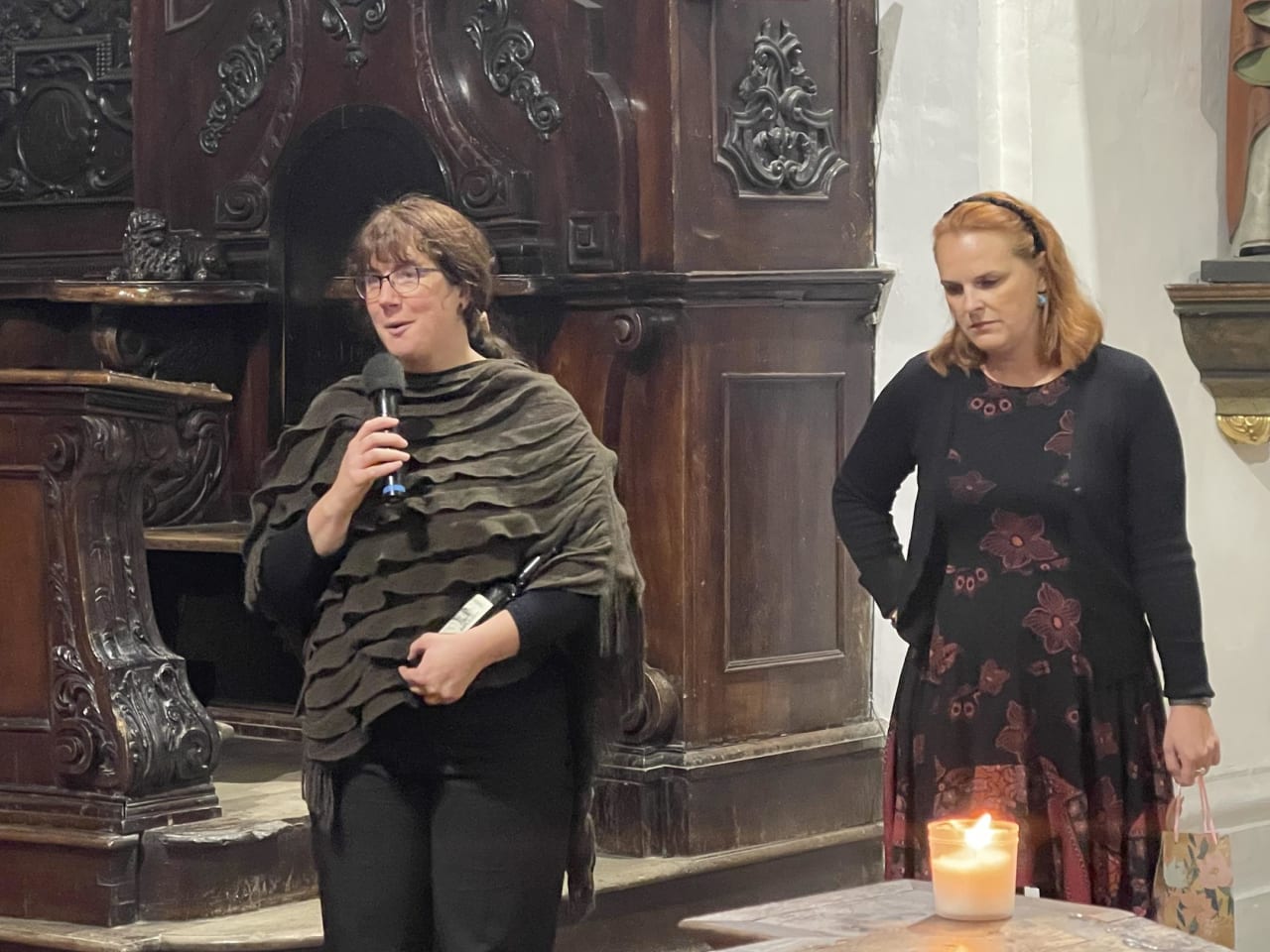
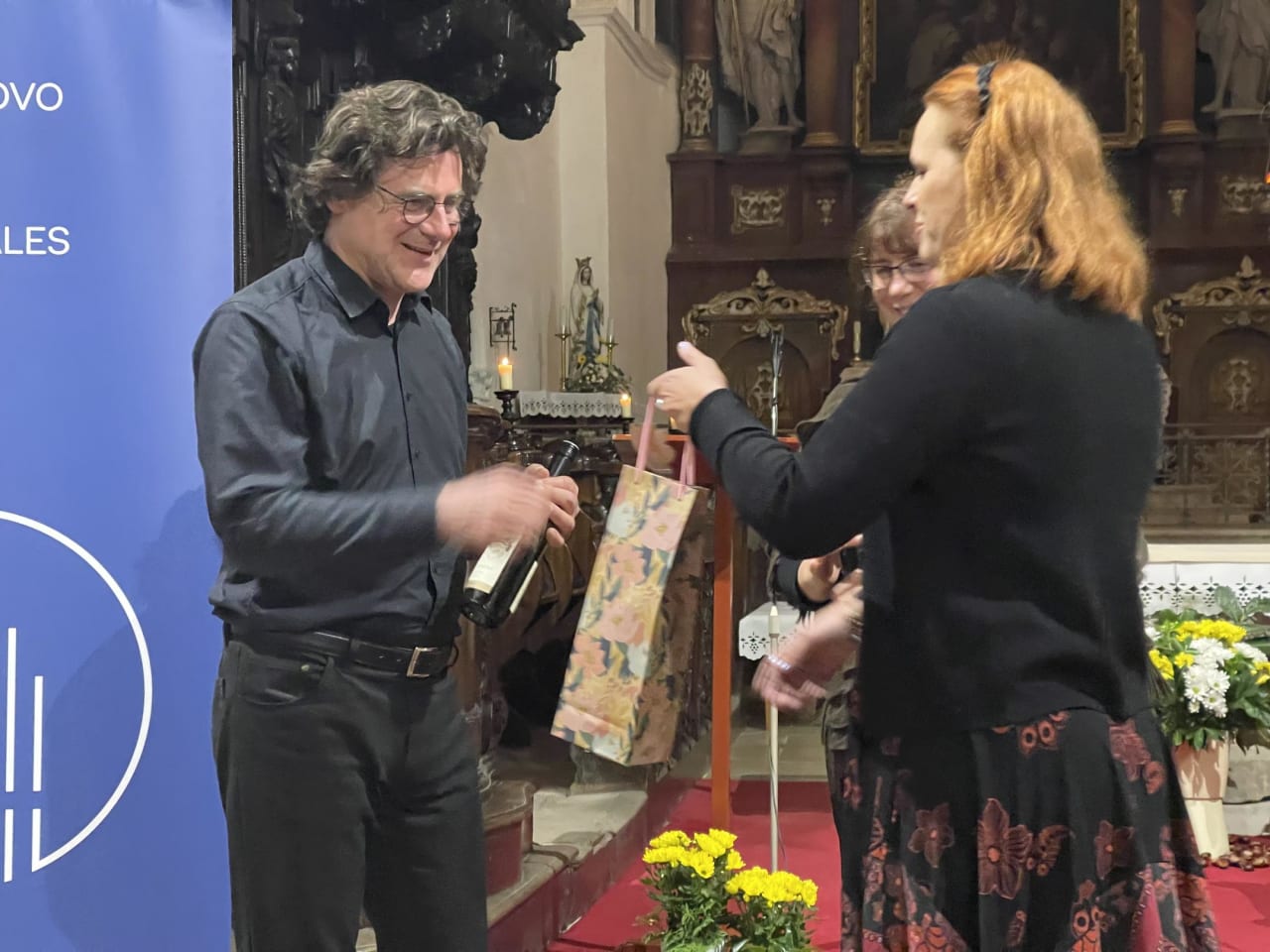
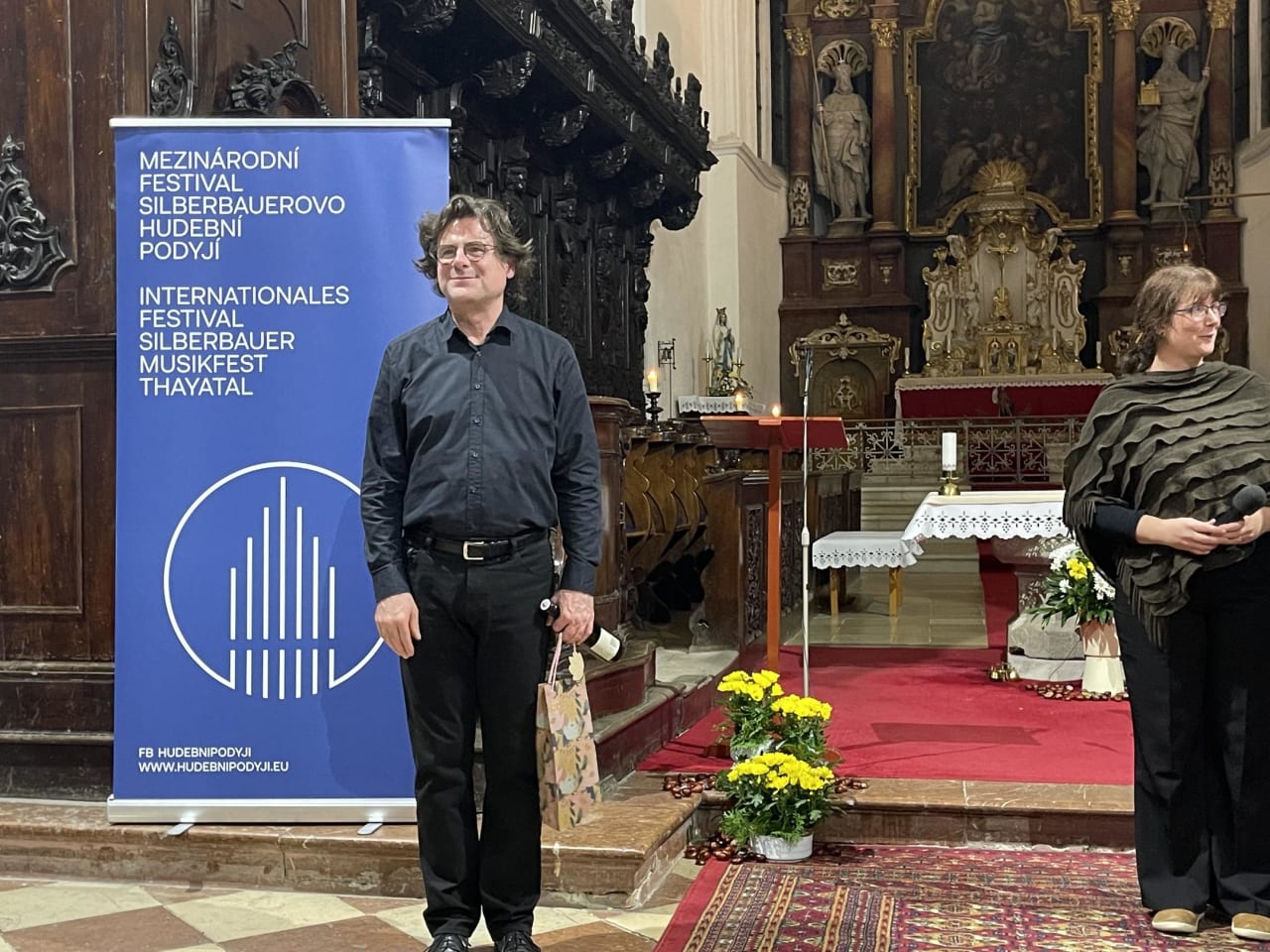
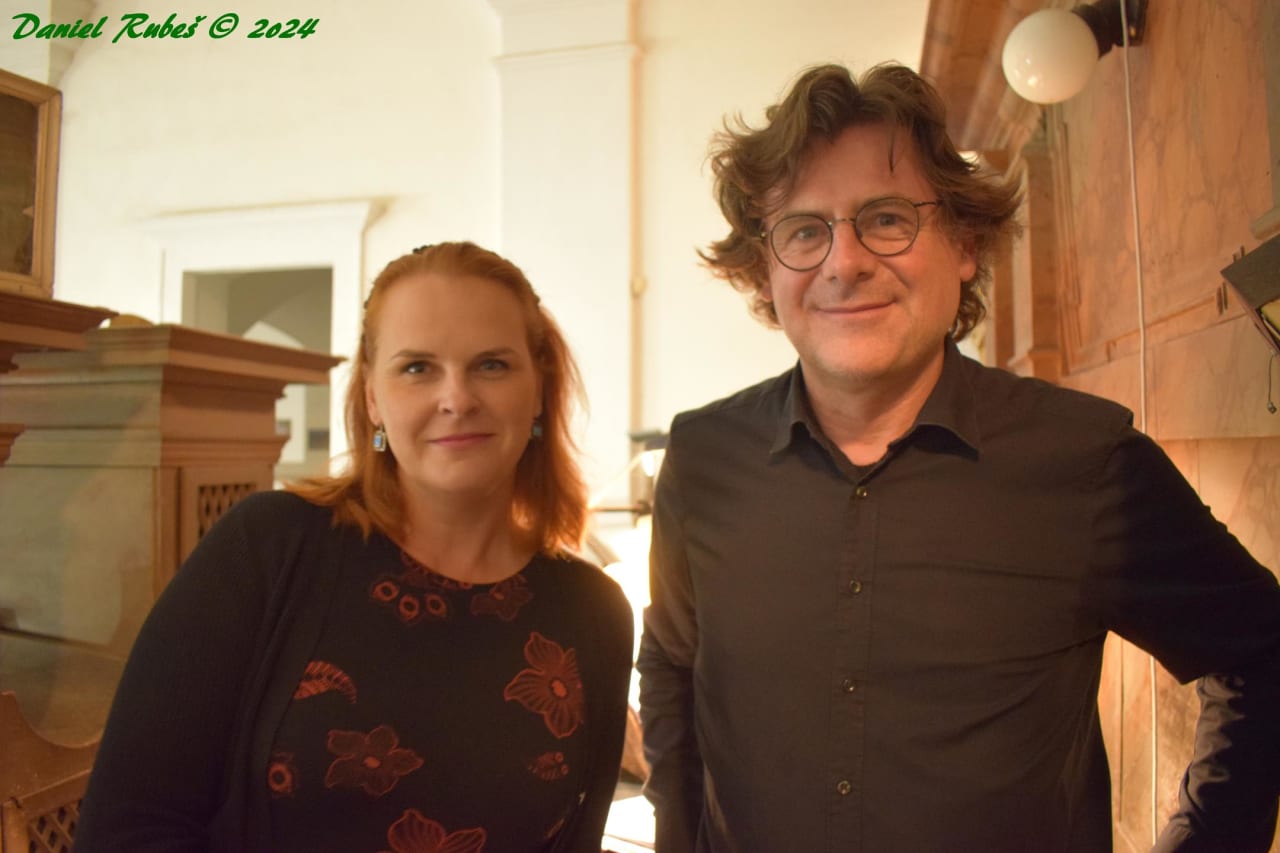
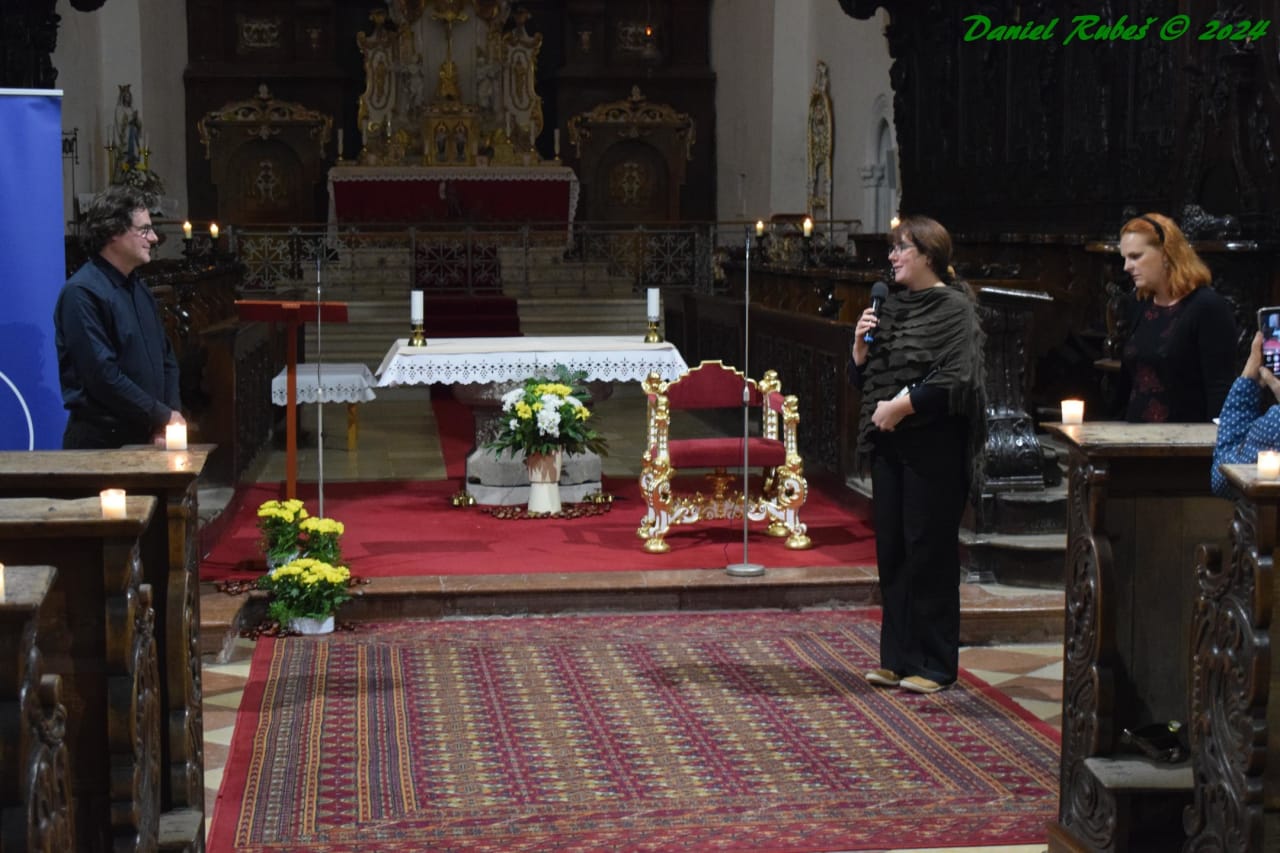
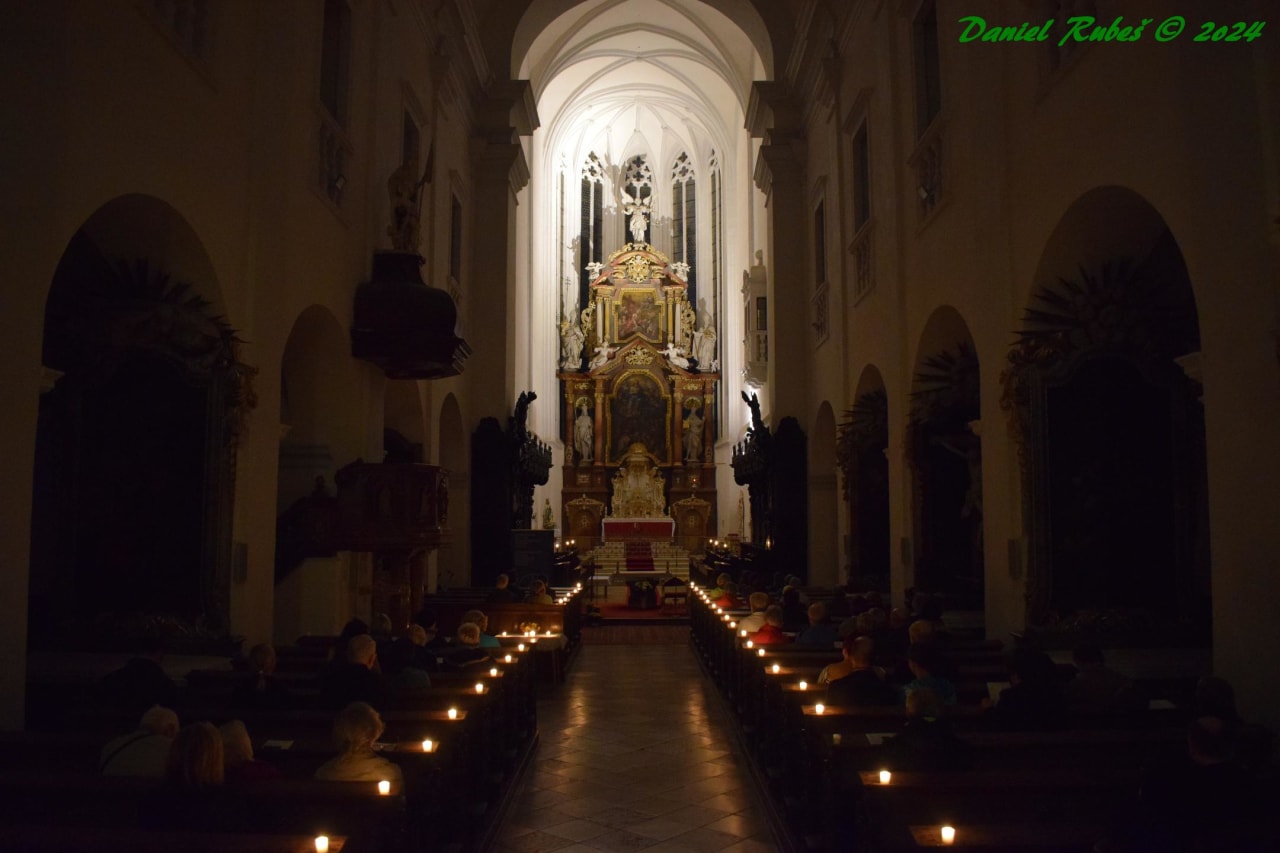
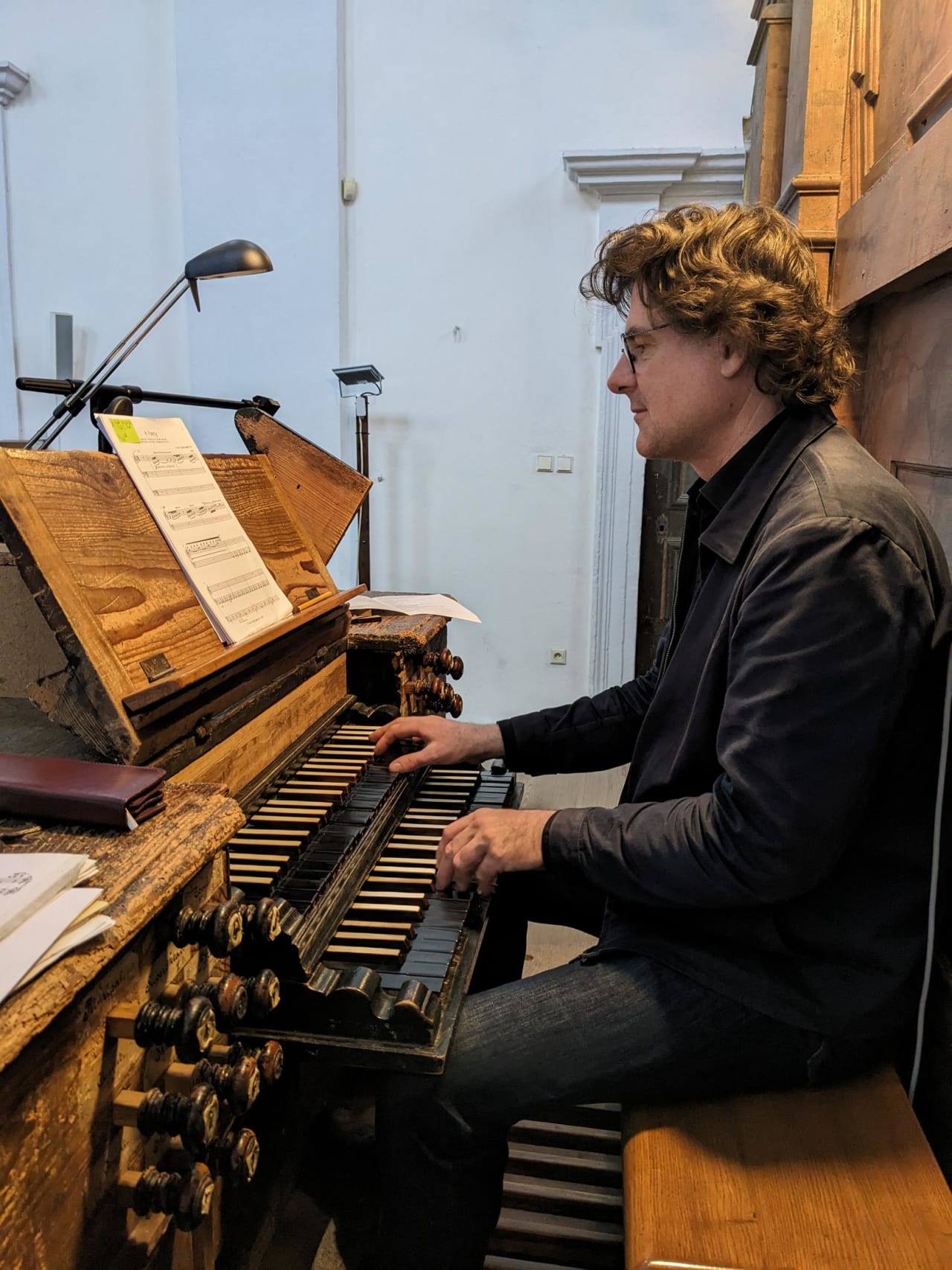
Ort
The original Romanesque chapel was possibly built as early as the mid-11th century. Near this chapel, in 1190, Duke Conrad Otto, together with his mother Maria, founded a Premonstratensian monastery. This monastery became one of the most important in Moravia and held a significant position in the history of Znojmo. Of the original abbey church, which was built in the Romanesque style as a three-aisled basilica, only three portals, the lower part of the apse, and a large Romanesque crypt, which is divided into two naves by six pillars, have survived. The church combines elements of various architectural styles up to the Baroque. During the Hussite Wars, it was destroyed in 1425 but was subsequently rebuilt. Near the church are the remains of a cloister from the second half of the 15th century. In the 16th and 17th centuries, further modifications were made, of which the Renaissance chapel of St. Sebastian is notable, located above the sacristy and featuring an altar from 1580. The current church is in the Baroque style from the second half of the 17th century. Prokop Diviš, the inventor of the first grounded lightning rod, also worked in the Louka monastery.
Back to all concerts