Per cornetto e trombone
Italian Renaissance and Early Baroque Music
Saturday, 5. 10. 2024 at 17:00
Church of St. James the Greater
Unterretzbach
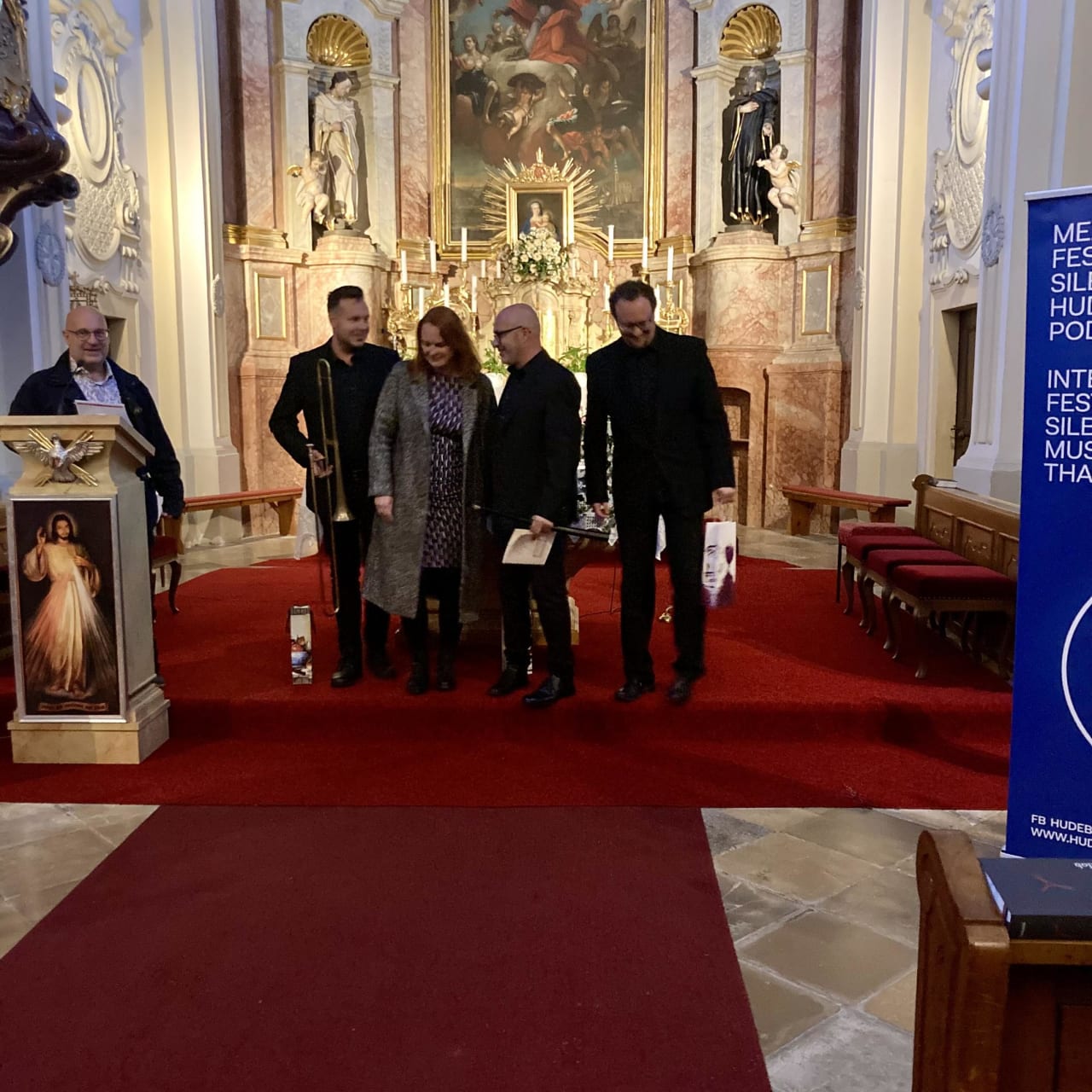
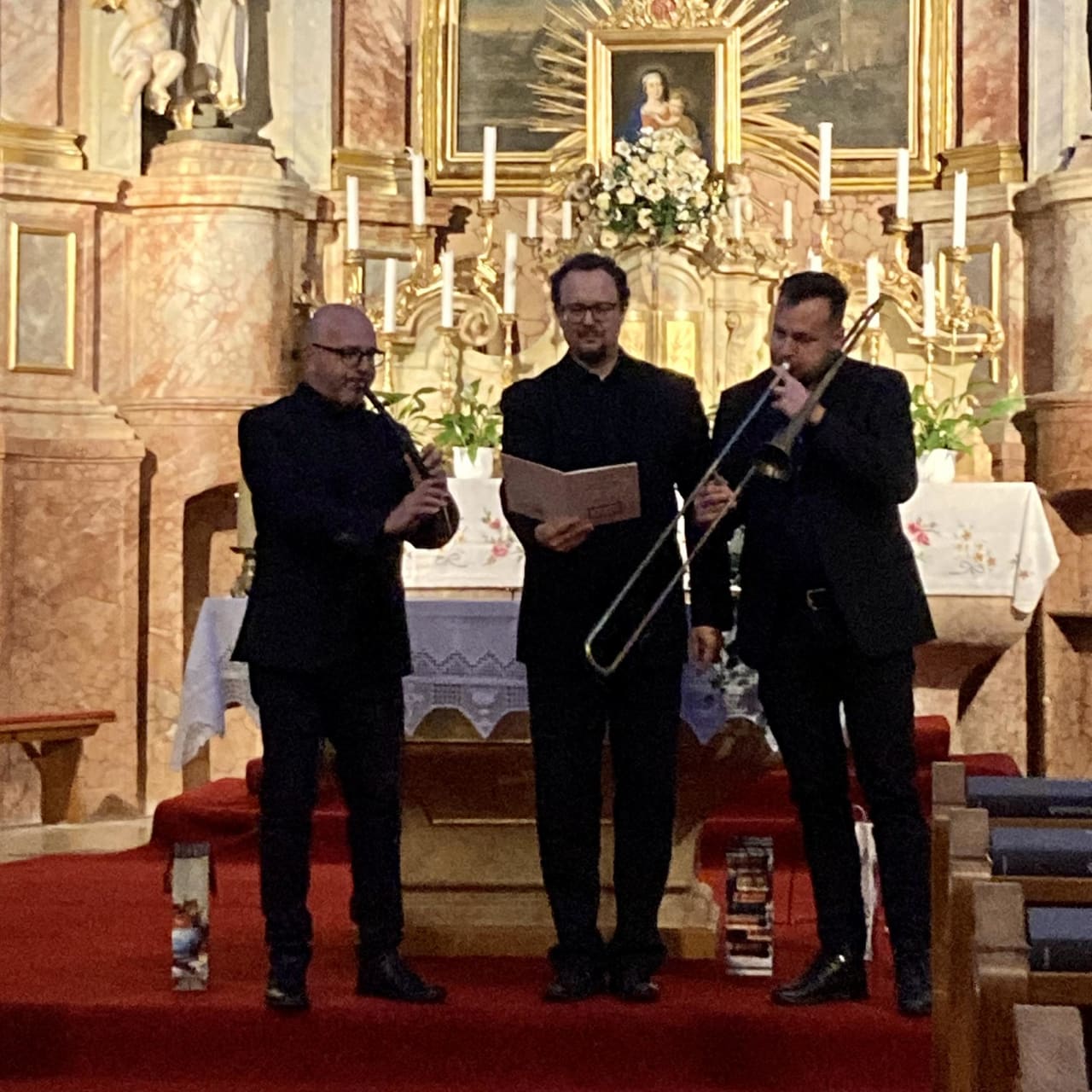
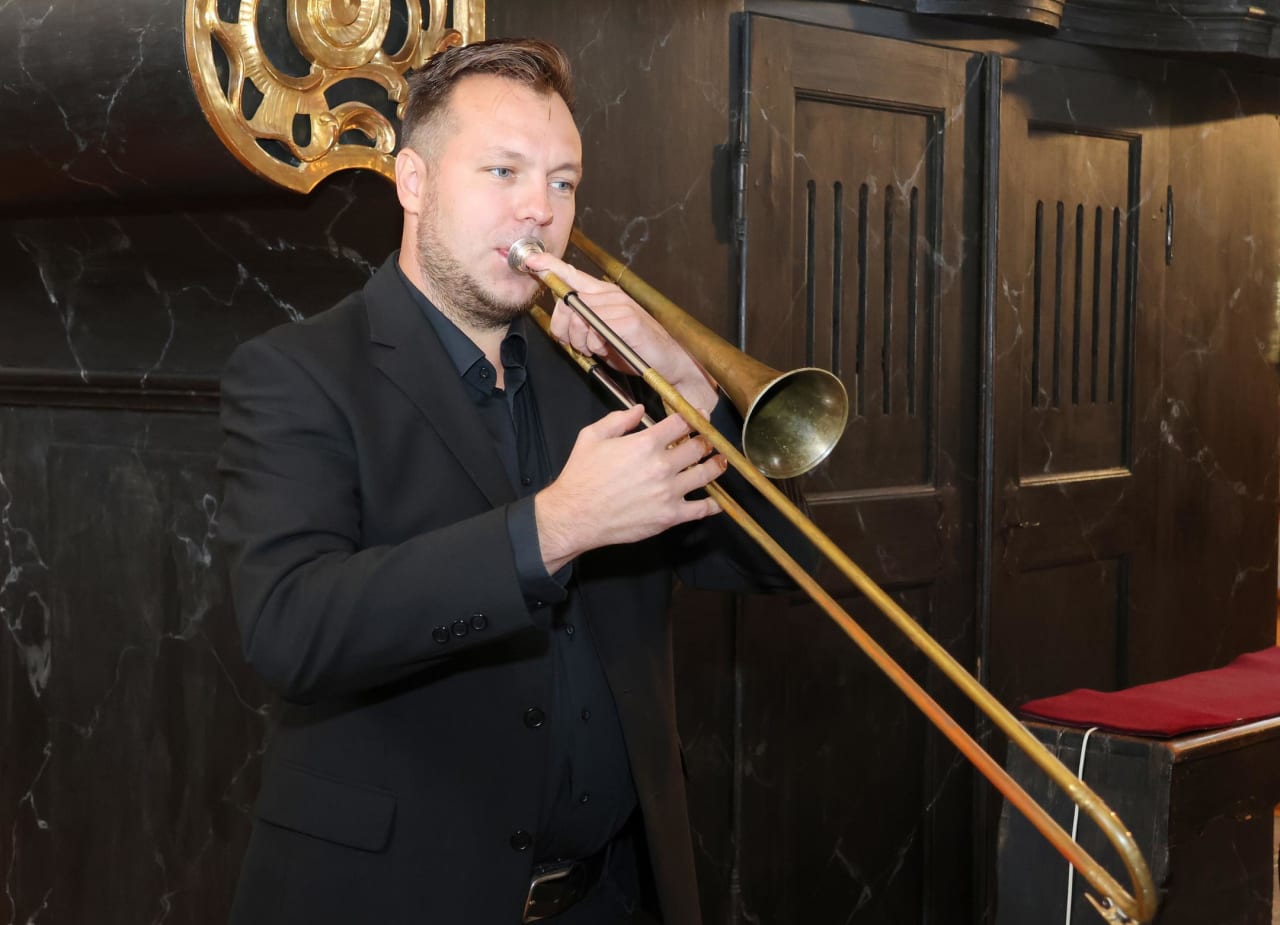
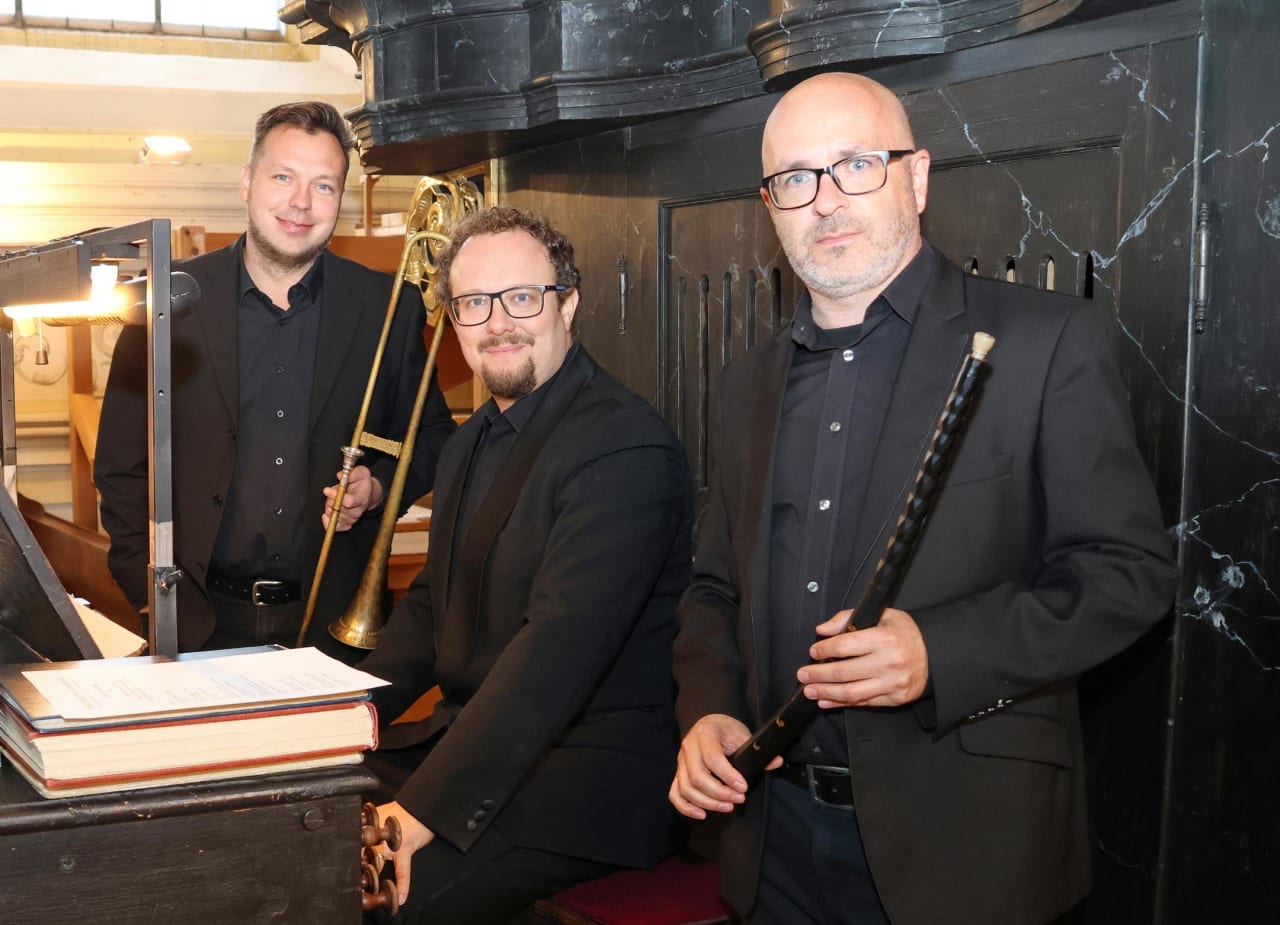
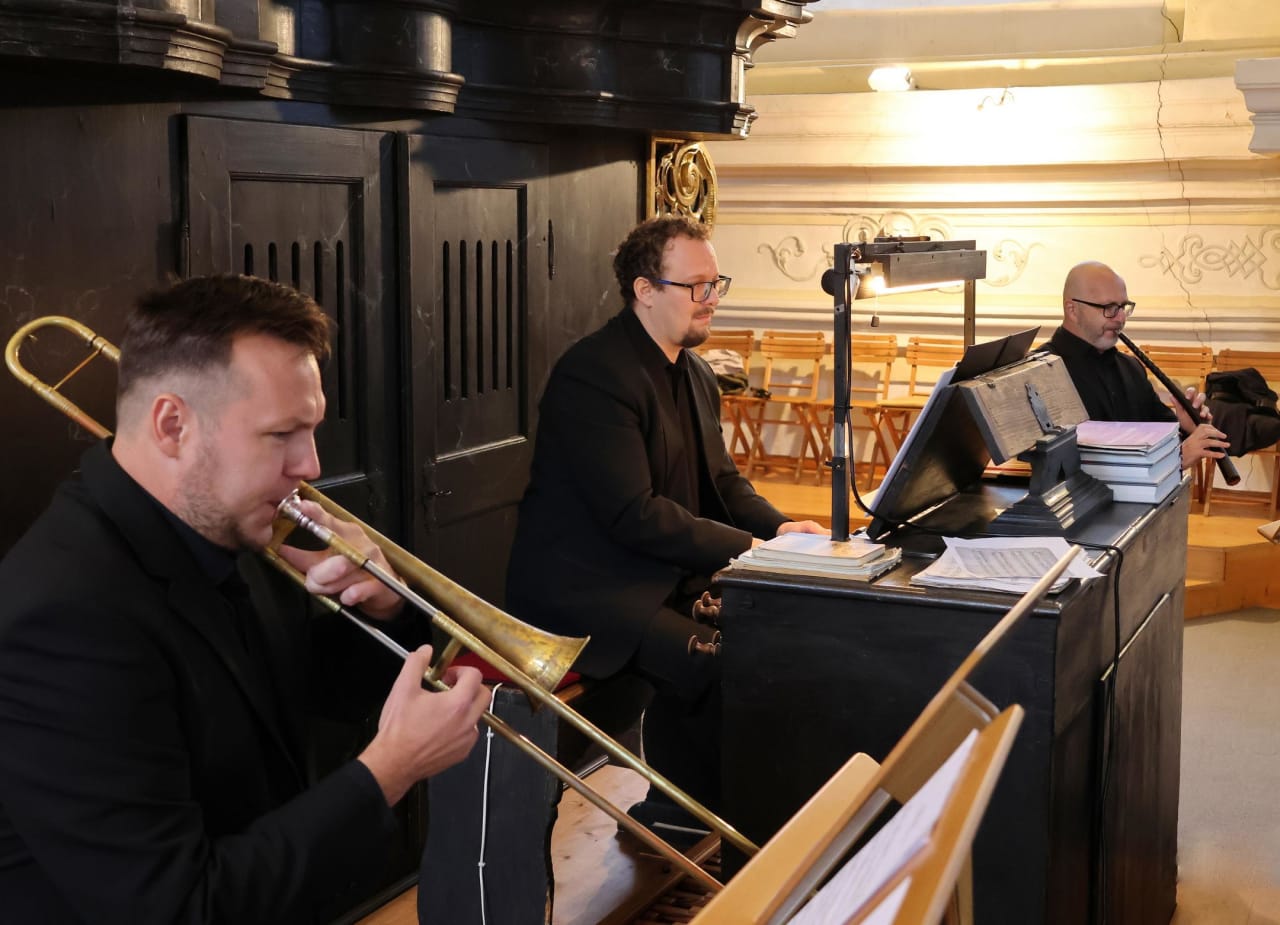
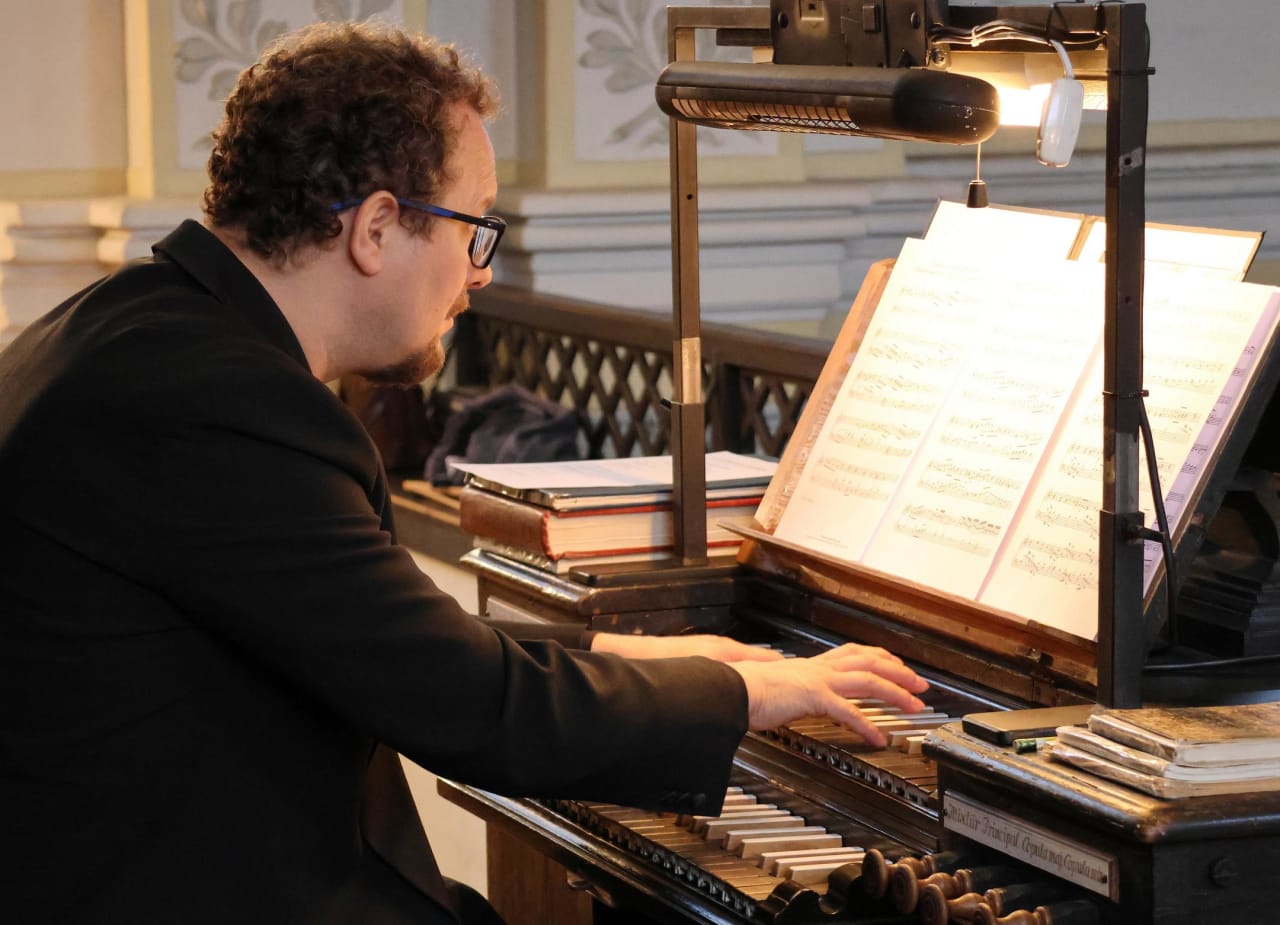
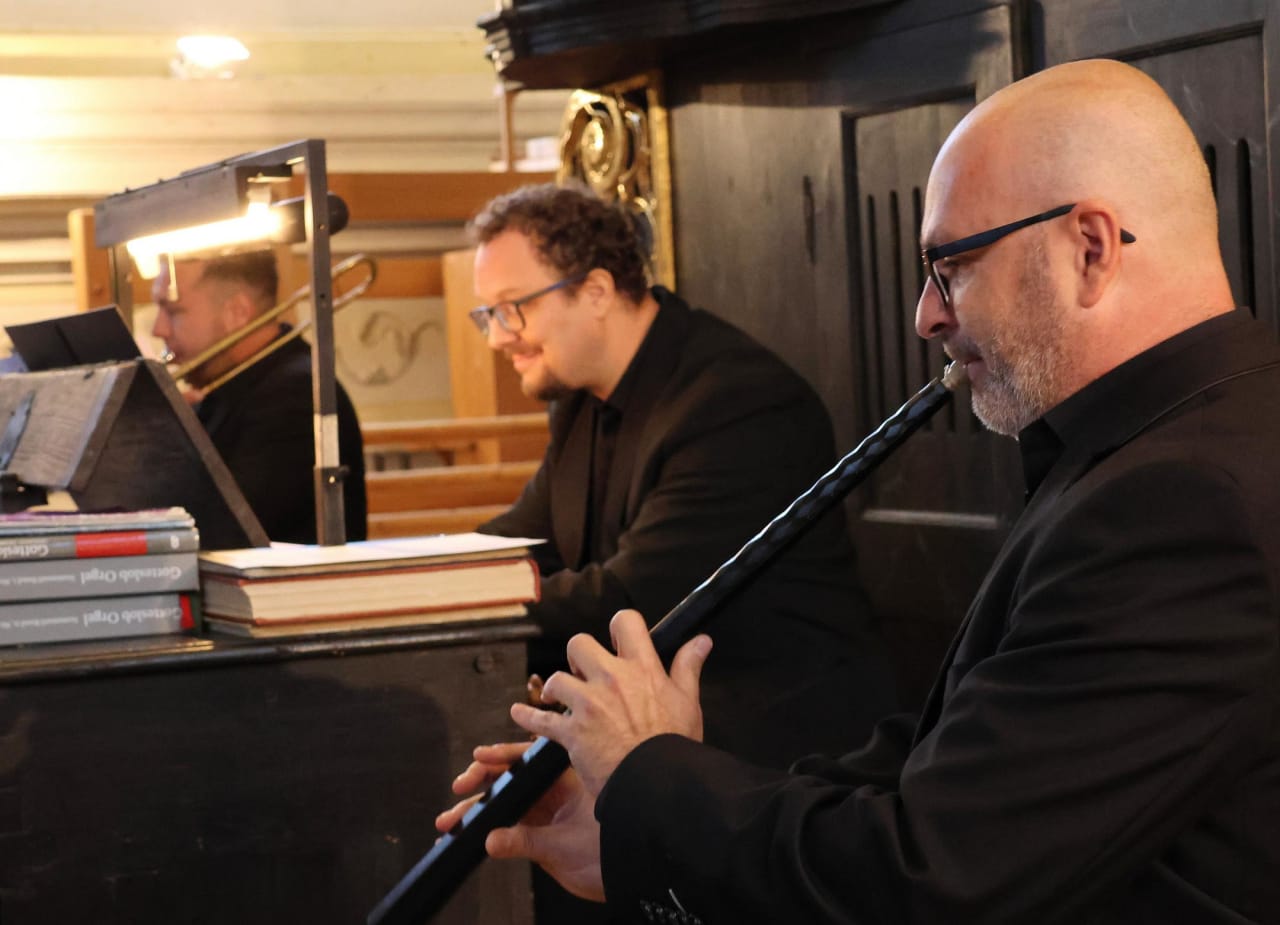
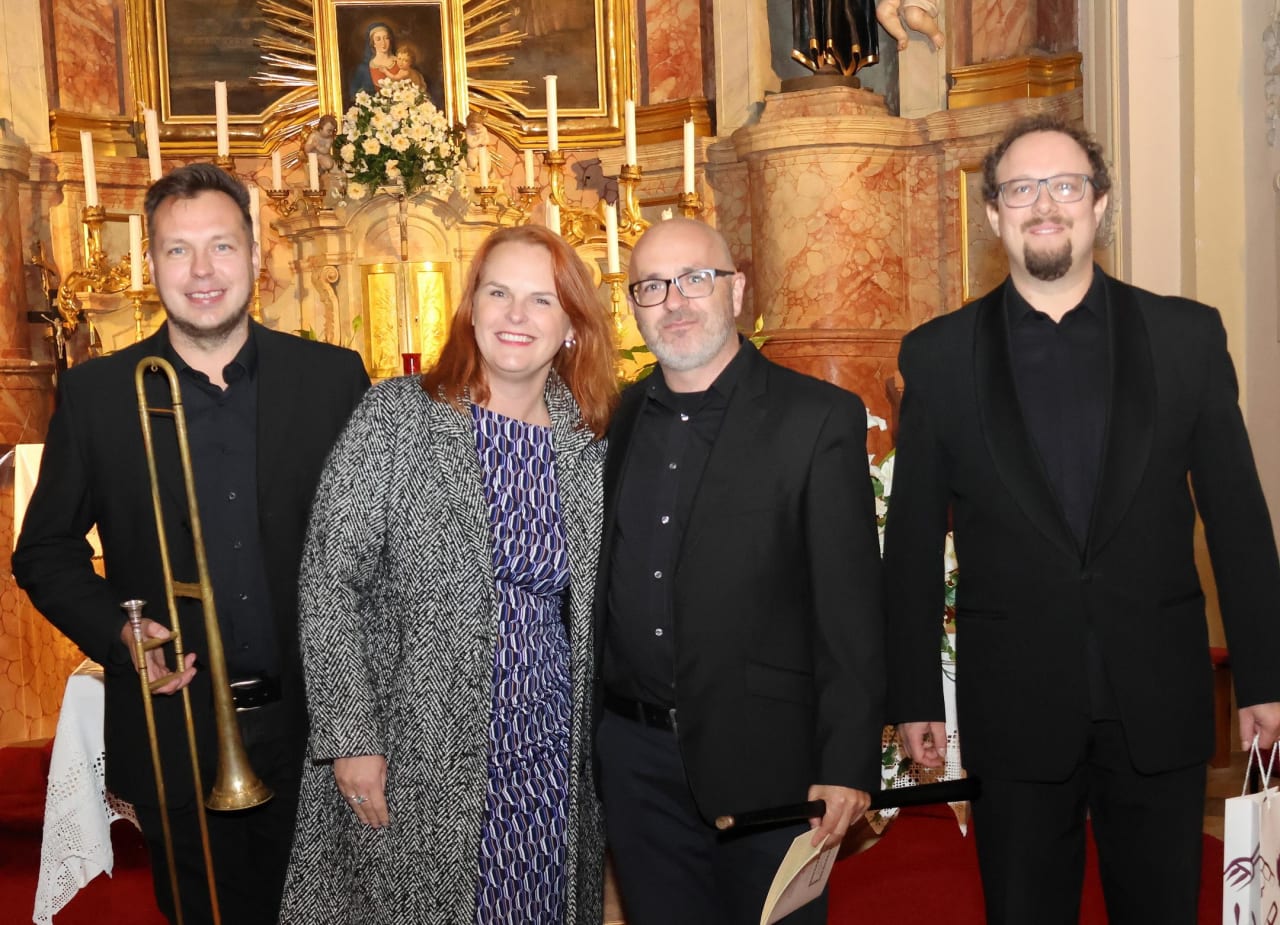
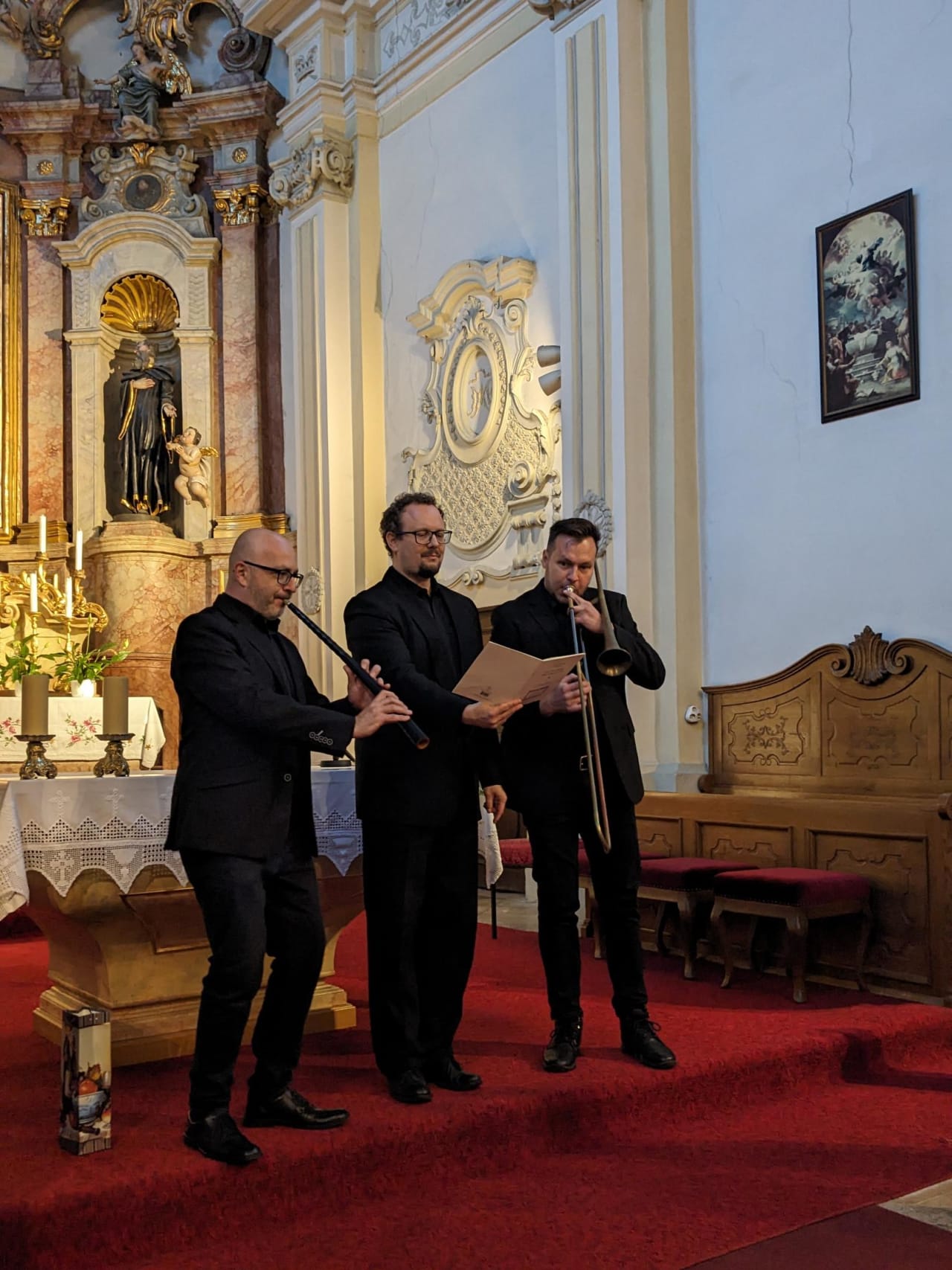
The cornett (zink) and the Renaissance trombone (sackbut) were the ornaments of both sacred and secular music during the Renaissance and early Baroque periods. They were used to support vocal parts in vocal polyphony or in instrumental formations with virtuosic parts. In our programme, we will present these instruments in chamber music compositions from the first half of the 17th century, when they also began to be used in a solo capacity. An integral part of this stylistic period was improvised ornamentation, without which this music would be incomplete. Both instruments will be supported by an organist playing the basso continuo part. Basso continuo has its origins in the Baroque era, when the part was usually played from a bass line provided with figures. This method of accompaniment provides much greater scope for improvisation and also allows for easier reaction to the soloist or ensemble. Particularly noteworthy is Valentini’s Canzona, which has uniquely survived in the Austrian Kremsmünster and is dated to around 1630. The compositions for wind instruments are interspersed with predominantly early Baroque organ pieces.
Künstler
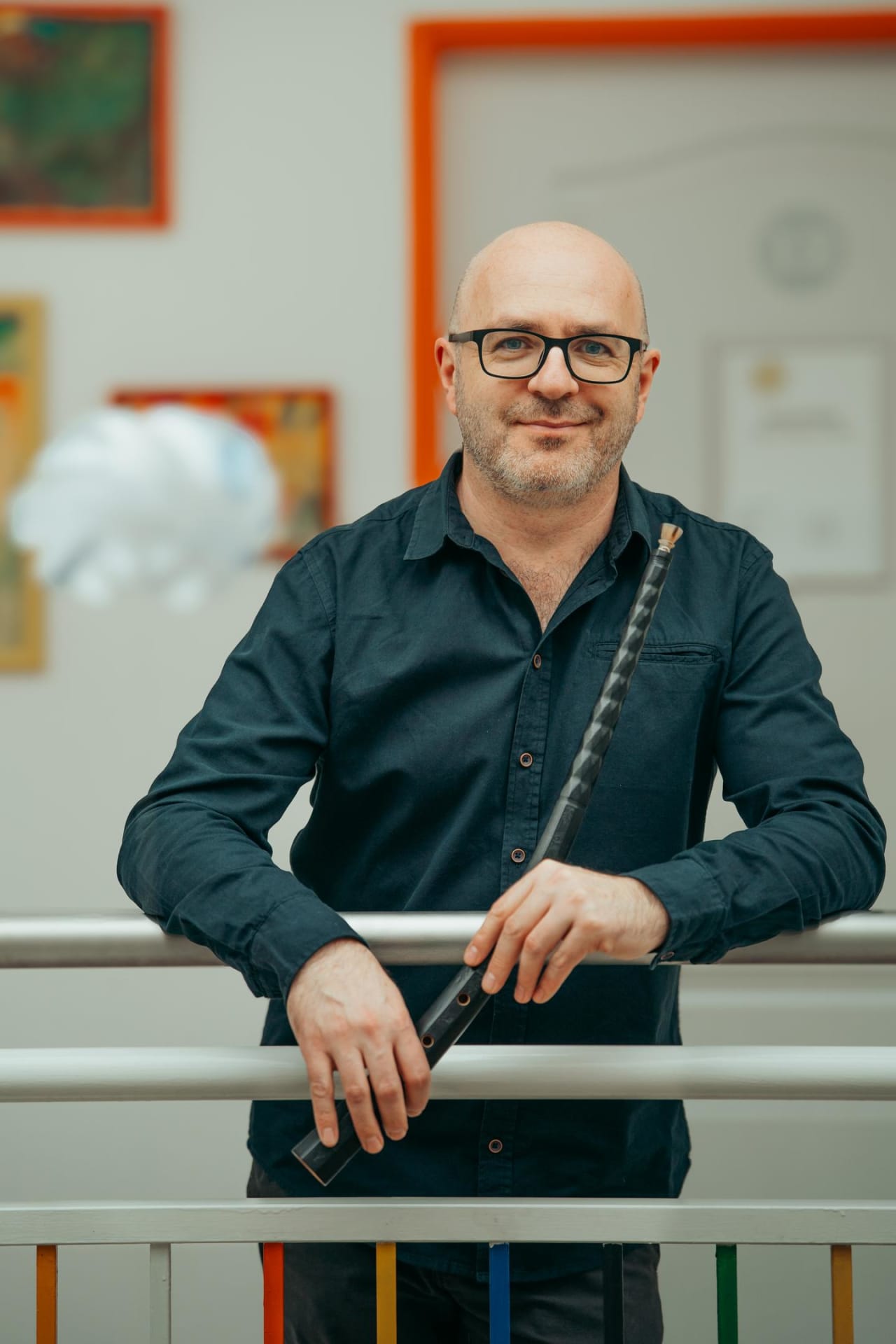
- He graduated in trumpet performance from the Conservatory in České Budějovice in the class of Professor Jiří Pelikán. Already during these studies, he was interested in the so-called historically informed interpretation of early music. He was initially self-taught in playing the cornett and gained his first concert experience in the ensemble Ritornello under the direction of M. Pospíšil. In 2005, he began his private studies of the cornett at several interpretation courses in Prague and in France with the French cornettist Judith Pacquier. Among his activities in many foreign early music ensembles, we can mention, for example, Concerto Copenhagen, Marini Consort Innsbruck, L’Arpa Festante München, Wiener Hofburgkapelle, and Clemencic Consort Wien. In the Czech Republic, he collaborates with ensembles such as the Czech Ensemble Baroque, Cappella Mariana, Collegium Marianum, Ensemble Inégal, and Collegium 1704, among others. He is a lecturer in cornett playing at the Summer School of Early Music in Valtice. He is the co-founder and music dramaturge of the regional Baroque festival Dačice Baroque. He is also involved in music research and the transcription of old prints. His research contribution in the field of music in the Kroměříž archive was also mentioned in Jiří Sehnal’s book “Pavel Josef Vejvanovský and the Kroměříž music collection”. An integral part of Richard Šeda’s musical life is his hometown of Dačice. He teaches trumpet and recorder at the local primary art school, and in addition to frequent performances with his students, he also achieves success in national competitions for primary art schools. He is actively involved in the music production in the parishes of Kostelní Vydří and Dačice.
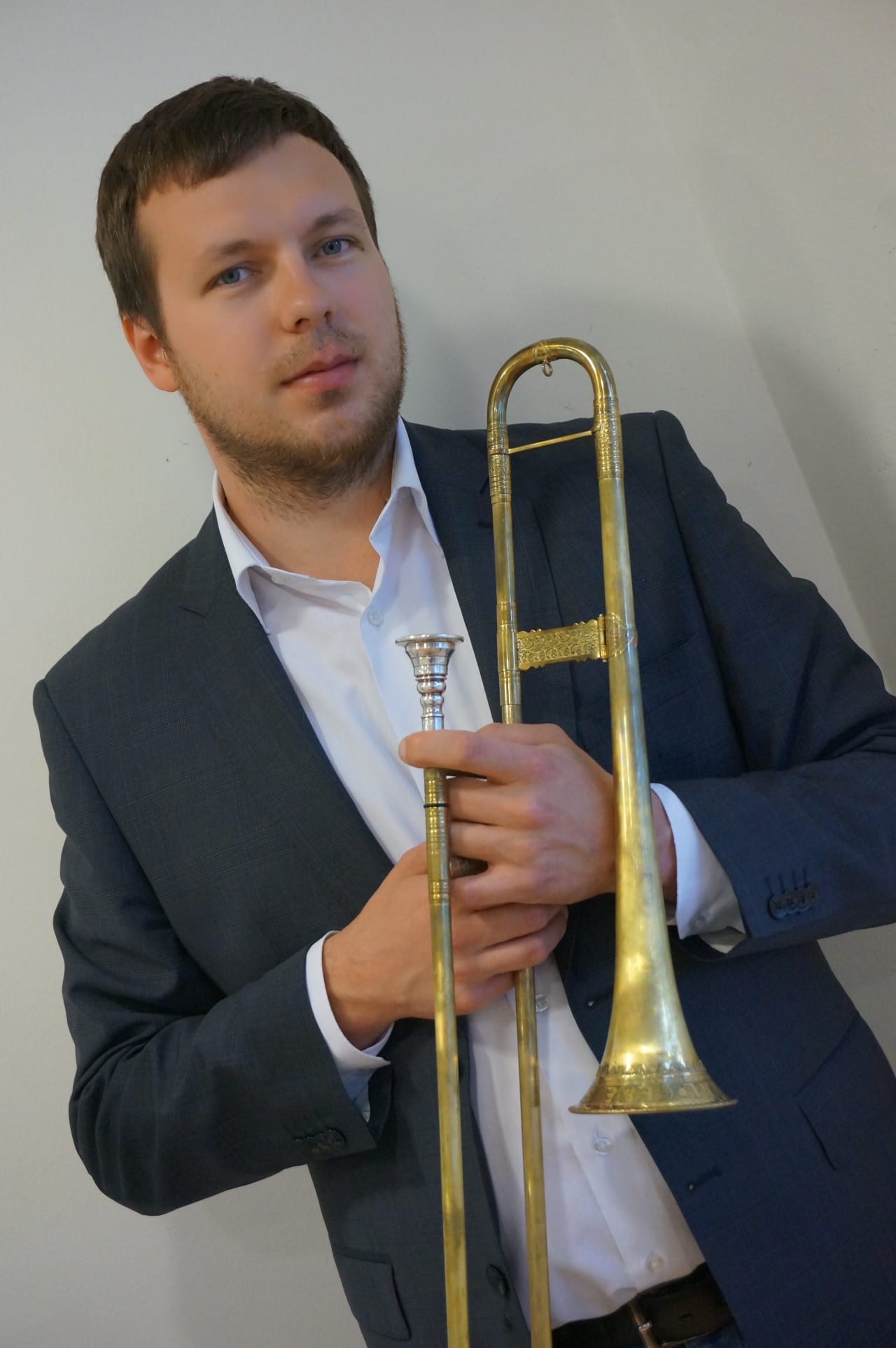
- He was born in 1986 in Zlín. After studying at the Pavel Josef Vejvanovský Conservatory in Kroměříž, in the class of Rudolf Beran, he studied at the Academy of Performing Arts in Prague with Jiří Sušický, and later at the Janáček Academy in Brno with Robert Kozánek. From 2010 to 2016, he studied at the Universität für Musik und darstellende Kunst in Vienna with Otmar Gaiswinkler. It was here that his interest in studying early music was ignited. Jakub Zívalík received his foundation in the interpretation of Renaissance, Baroque, and Classical music in Vienna, and subsequently participated in a variety of projects, for example, with Ensemble Tonus Wien, the Wiener Barockorchester, Concentus Musicus Wien, and various Baroque ensembles in Vienna, Graz, etc. In the Czech Republic, he collaborates with ensembles such as Capella Ornamentata (Richard Šeda), Cappella Mariana, Collegium 1704, and Musica Figuralis, among others. Jakub Zívalík is the principal trombonist of the Bohuslav Martinů Philharmonic in Zlín and has actively collaborated, or continues to collaborate, with symphony orchestras (the Czech Philharmonic, the Jena Philharmonic, the Orchestre de Picardie, RTVS Slovenija, the Slovak Radio Orchestra, the Slovak National Theatre, etc.). As a soloist, he has performed with, for example, the Bohuslav Martinů Philharmonic in Zlín and the Slovak Chamber Orchestra.
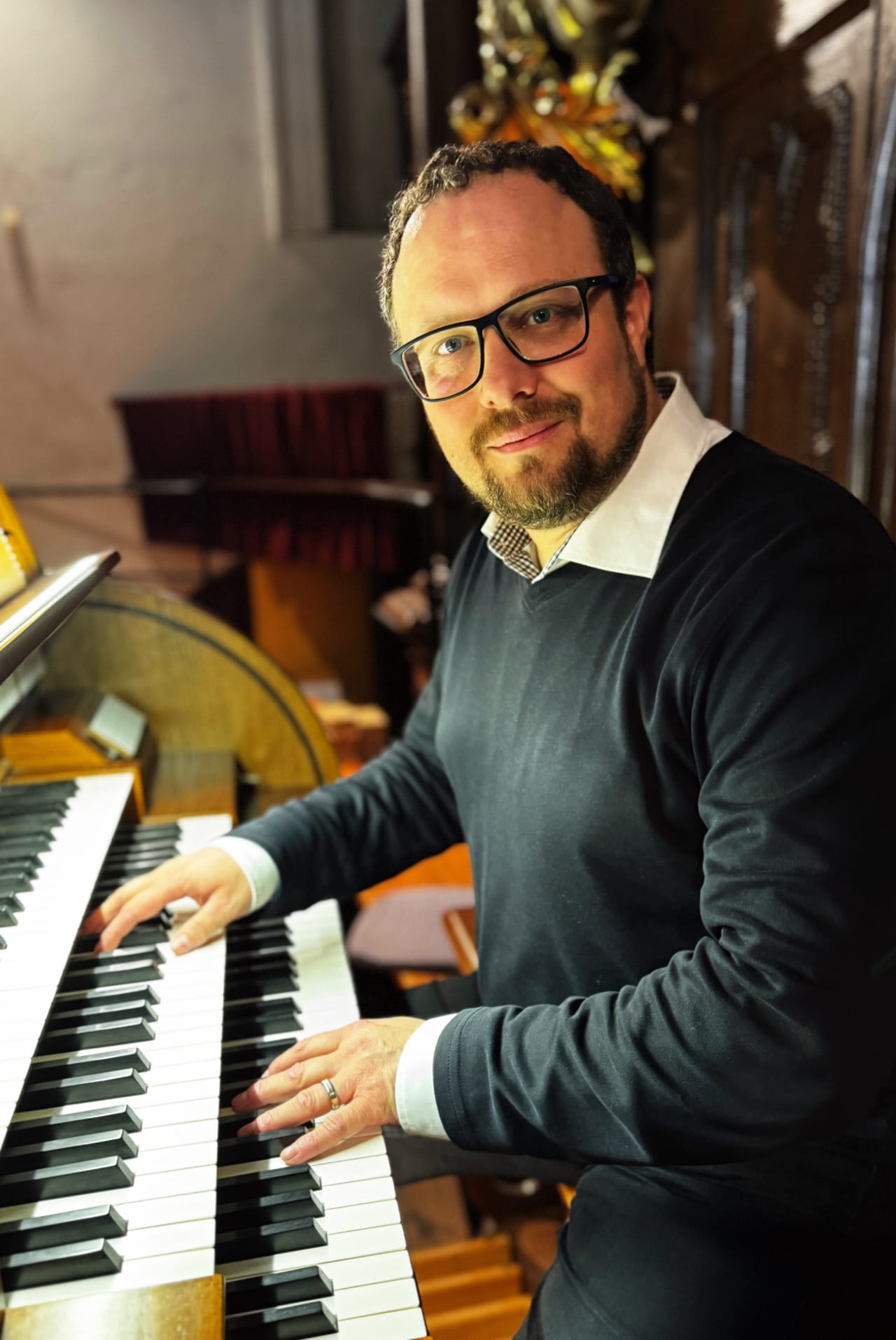
- He comes from Brno. He gained his first musical experiences, in addition to his musically inclined family, at various music schools in Brno, where he learned to play the violin. During his studies at the Episcopal Grammar School in Brno, he began to attend the Primary Art School with a focus on church music in Brno. Here he received his first lessons in organ, liturgics, and singing. After graduating, he successfully passed the entrance exams to the University of Music and Performing Arts in Graz, Austria, where he completed a seven-year course in Catholic Church Music with three master’s degrees in organ literature and improvisation, choir and orchestra conducting, and Gregorian chant. During these studies, he had the opportunity to participate as a singer and player in many music festivals both in Styria and beyond the borders of Austria and Europe. Especially in 2003, when Graz was named the European Capital of Culture, he worked during the summer semester as an organist, conductor, and solo and ensemble singer in more than 80 musical productions of various kinds (the congress of the Pontifical Council for Culture, the Styriarte festival, musical productions of the Kunstuniversität Graz, concerts at the Graz Cathedral, etc.). After returning to the Czech Republic, he was employed as an organist and choirmaster at the Church of St. James in Brno. In March 2009, he was appointed diocesan organologist and Referent for liturgical music of the Brno diocese. He gives organ concerts, is the artistic director of the chamber vocal ensemble Sol et Sedes, a soloist of the Grazer Choralschola, with whom he regularly performs in various parts of the world, a member of the vocal ensemble Societas incognitorum, and also frequently participates in concerts of leading Czech ensembles specialising in period performance practice (Ensemble Inégal, Musica Florea, Collegium 1704, Schola Gregoriana Pragensis, etc.). He occasionally teaches courses in Gregorian chant (St. Gallen, Switzerland) and teaches liturgical music and music practice.
Entritt
Voluntary admission
Programme
(1590–1648)
(c. 1555–1612)
(1590–1658)
(1568–1634)
Moderna armonia di canzoni alla francese
(1590–1667)
(1568–1634)
Moderna armonia di canzoni alla francese
(1582–1649)
(1653–1706)
Magnificat-Fugen
(1583–1643)
(1616–1667)
(c. 1585–1646)
Fotogallerie
Ort
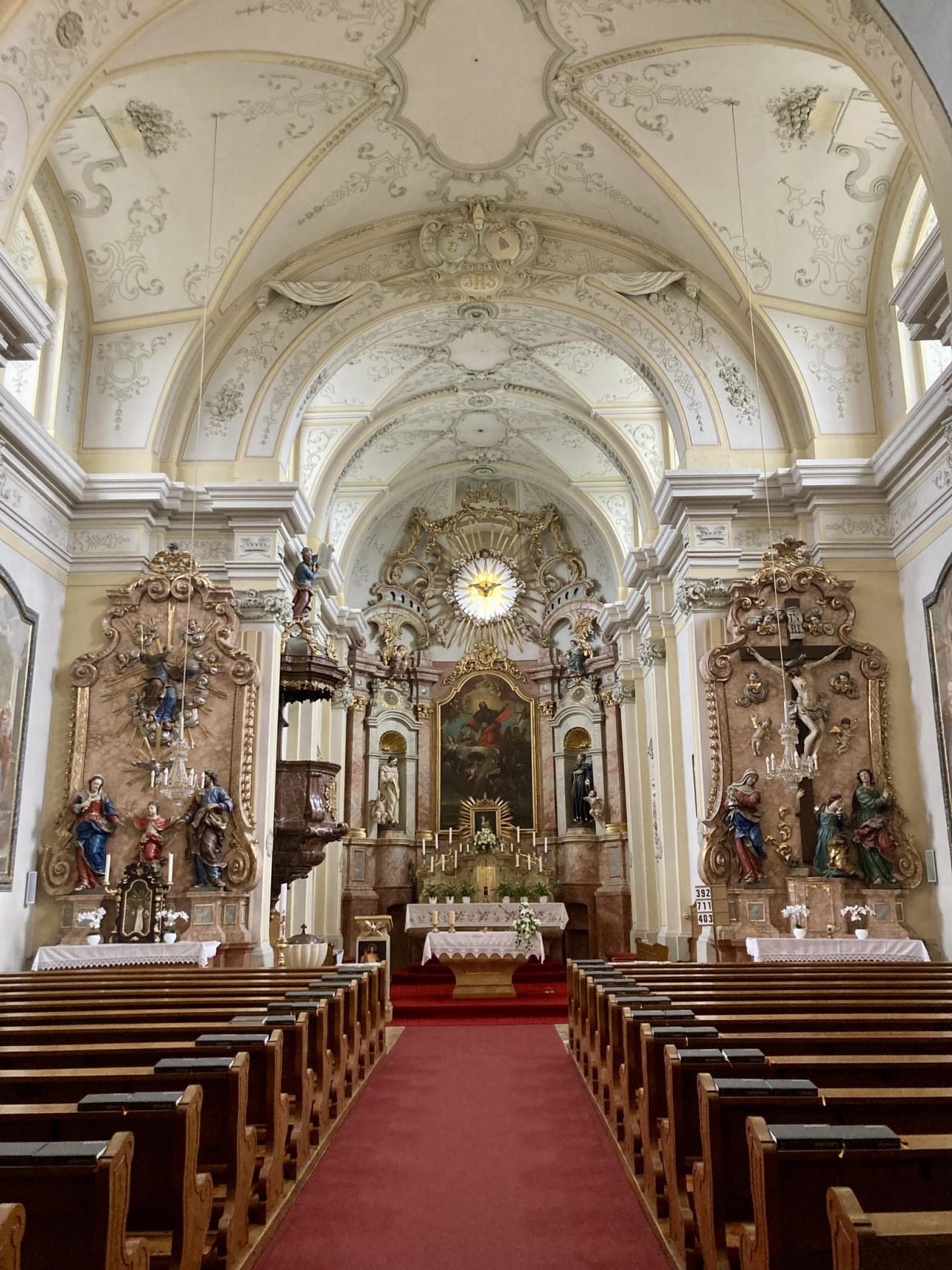
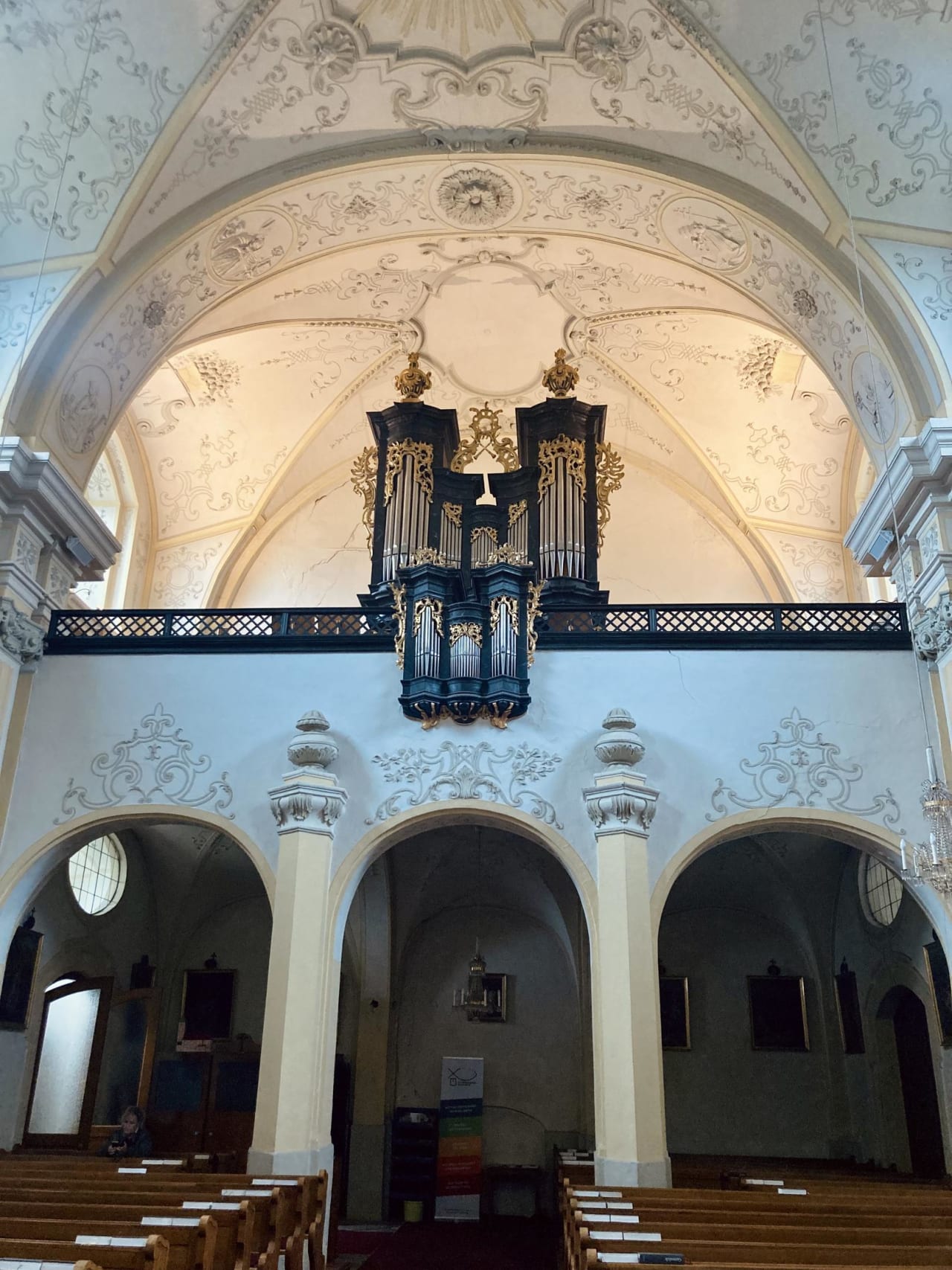
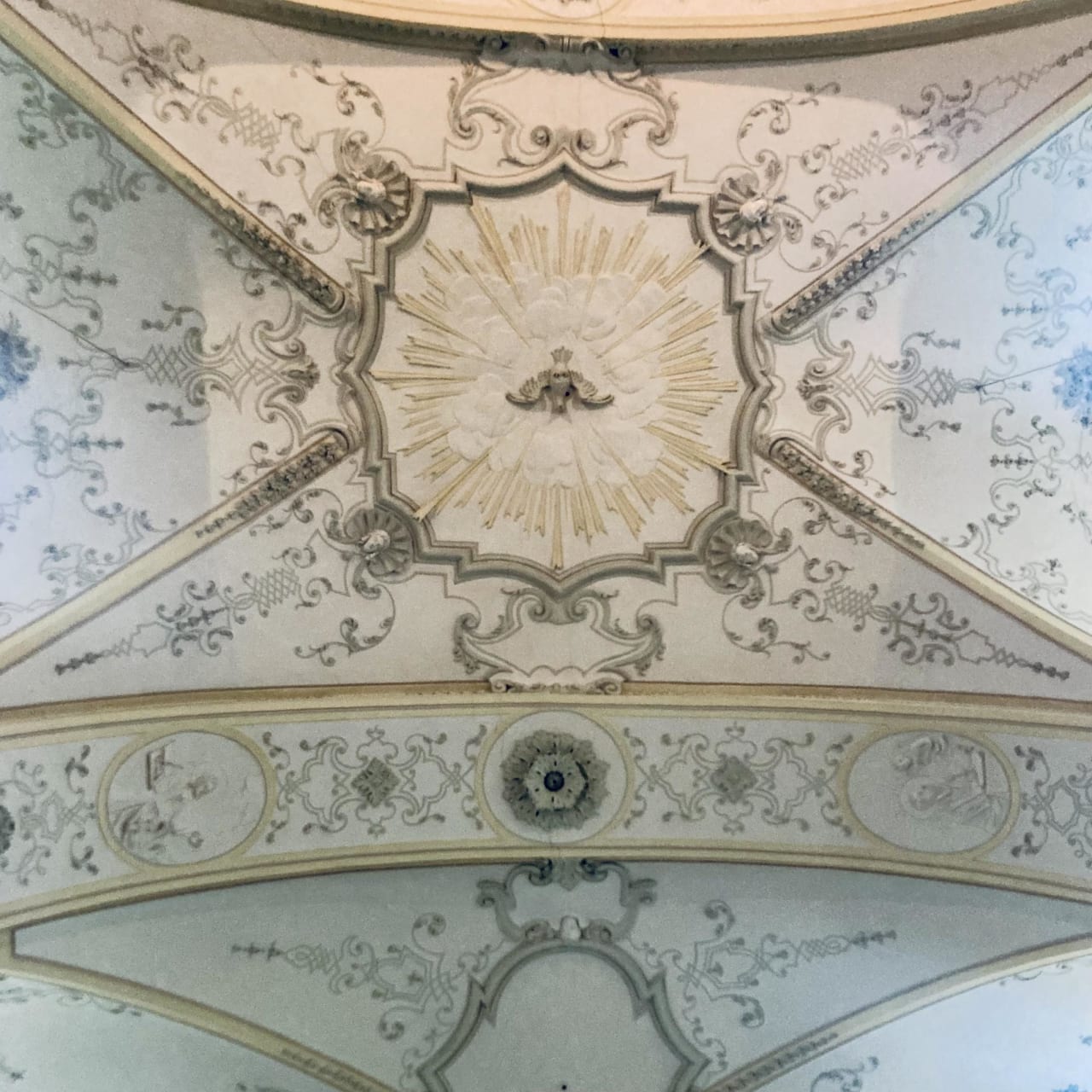
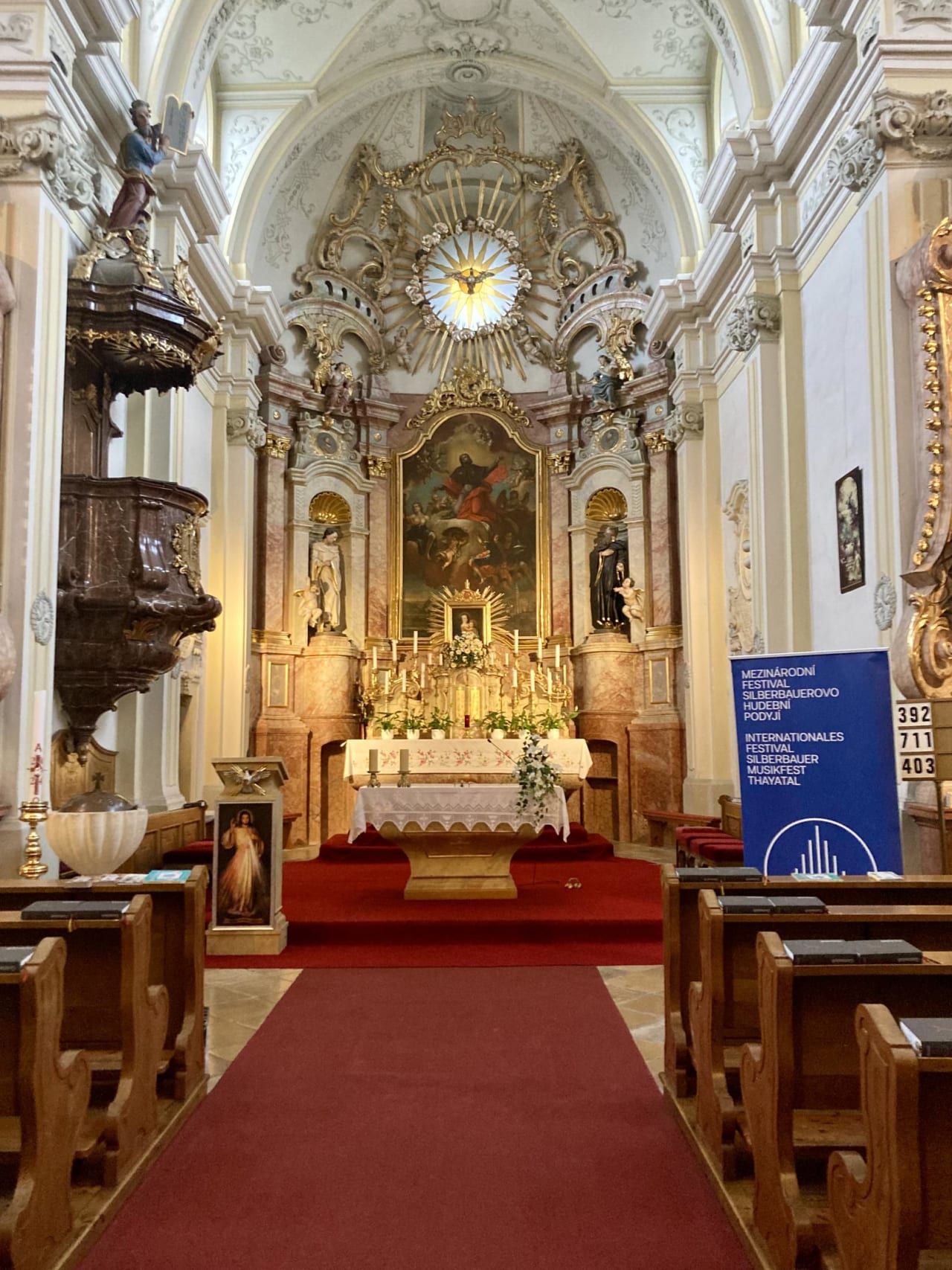
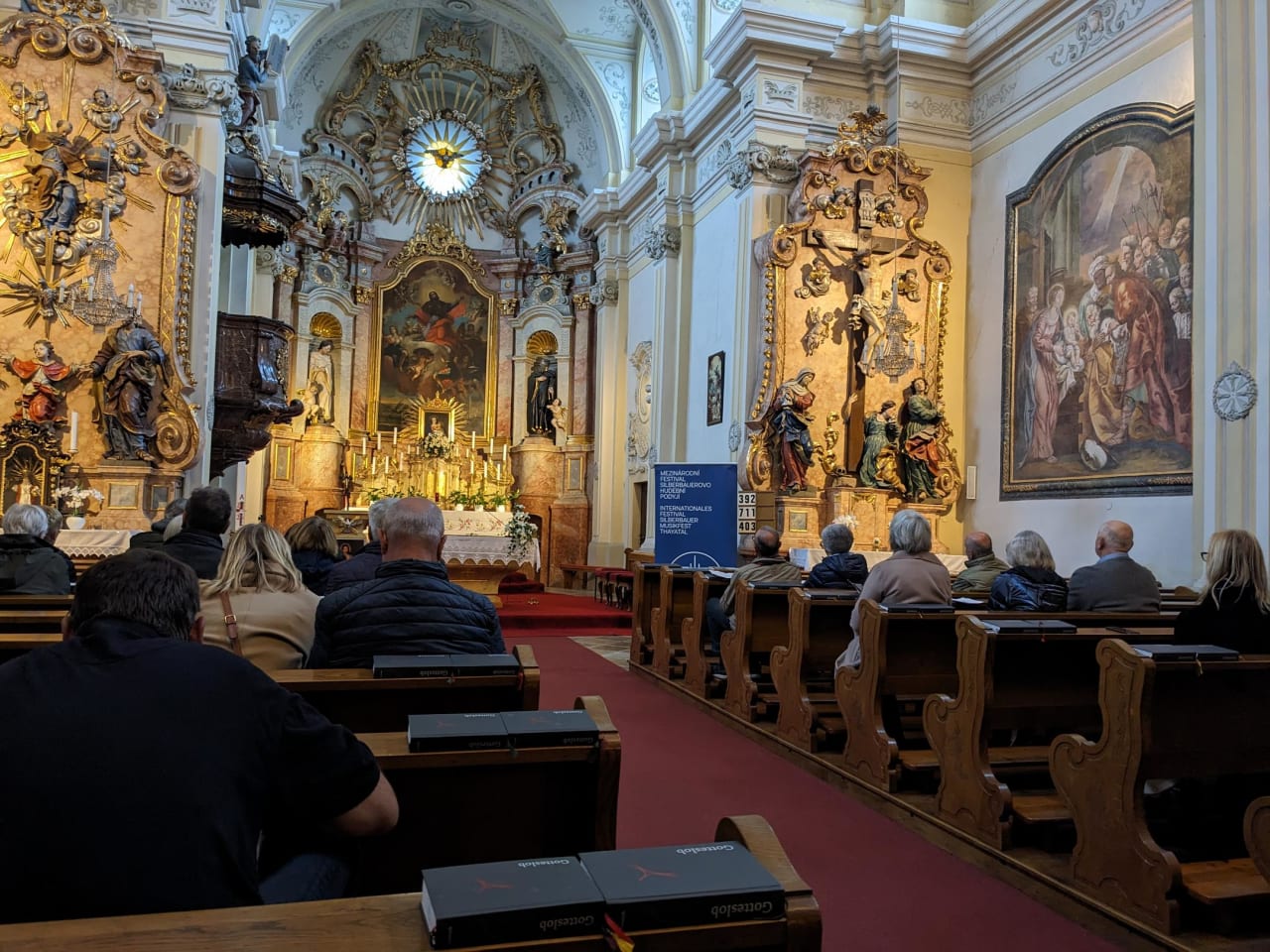
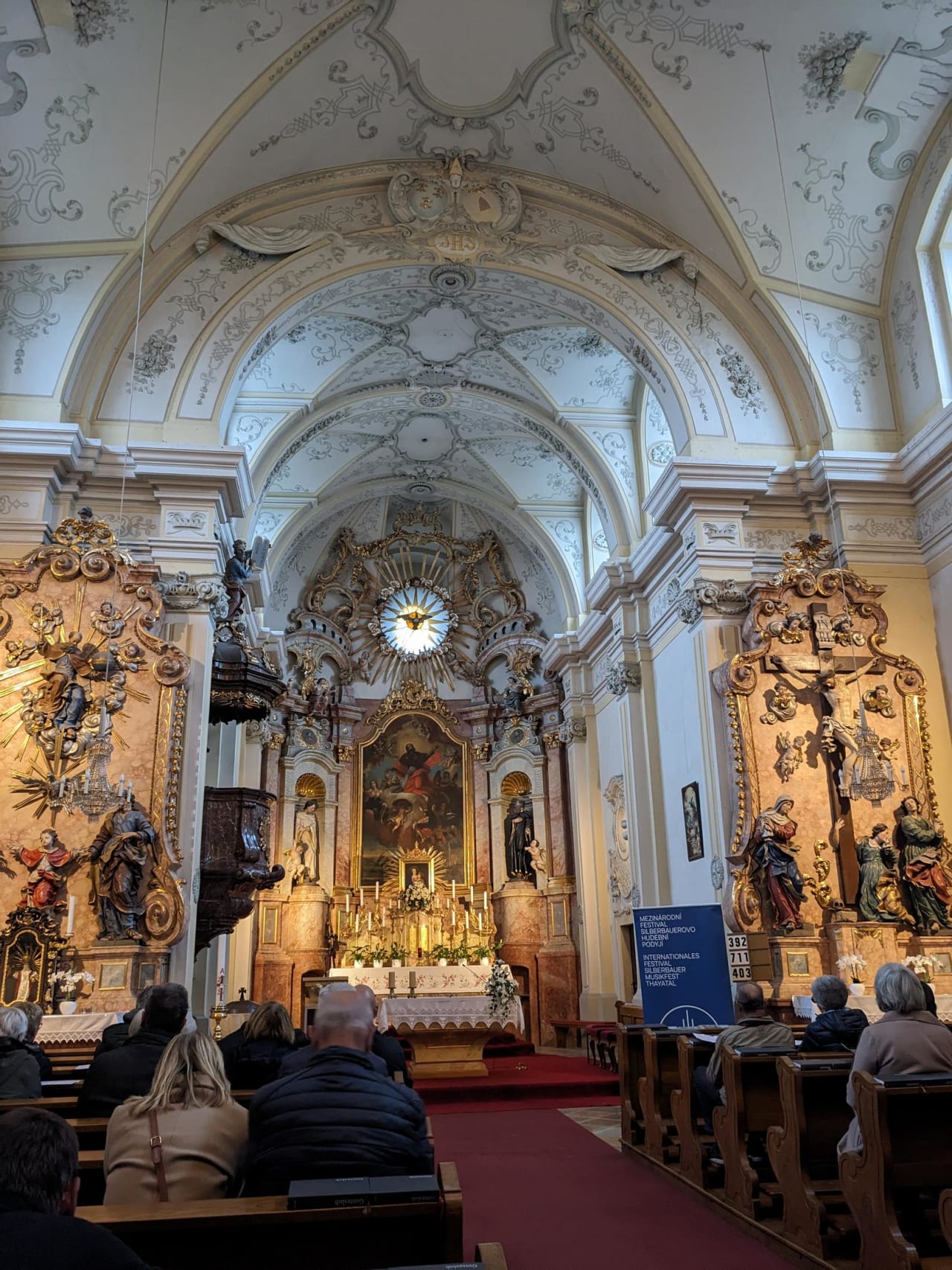
The Baroque building from 1725 was erected on the site of a smaller Gothic church. The mighty west tower was built in its current form a few years later. Up to the first arched window, the tower may have existed since Roman times. The interior features stucco work, a marble pulpit, and wall frescoes. The main altarpiece in the lower right corner shows a view of Unterretzbach in the 18th century. In front of the people’s altar is a crypt with a Romanesque vault. The park by the church served as a cemetery until 1900. The foundations of an ossuary were discovered in the arch of the fortification-like defensive wall.
Back to all concerts