The Rooster in Baroque Garb
OPENING CONCERT OF THE FESTIVAL
Saturday, 27. 8. 2022 at 19:00
Church of the Assumption of the Virgin Mary
Vranov nad Dyjí (Czechia)


Künstler
-
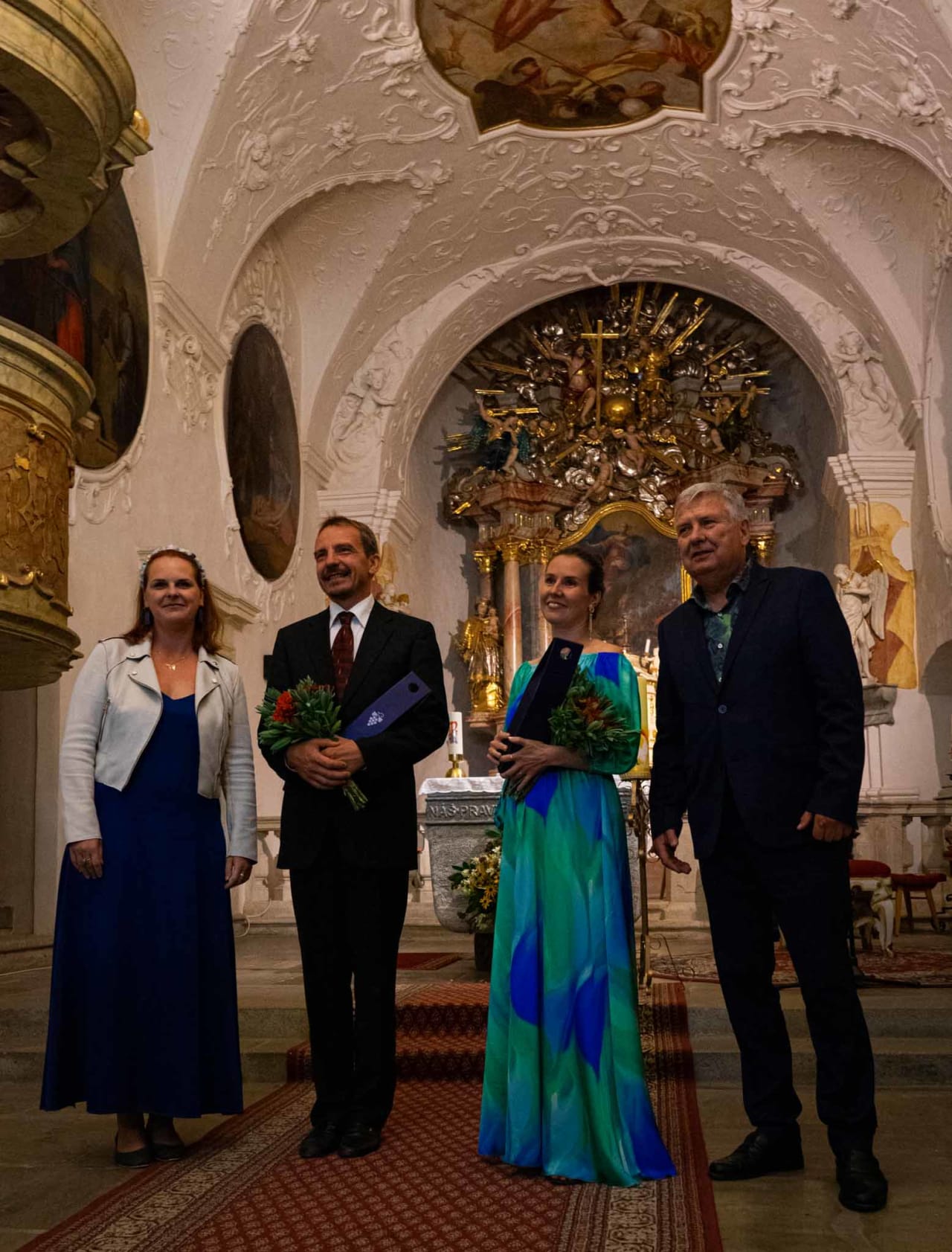
Soprano Helena Hozová comes from Polička. She studied singing at the Pardubice Conservatory and at the Faculty of Music of the Janáček Academy of Music and Performing Arts (JAMU) in Brno. She completed an internship at the Hochschule für Musik Carl Maria von Weber in Dresden in the opera class of Christiane Hossfeld and in the interpretation of early music under the direction of Ludger Rémy. She has participated in a number of masterclasses with leading figures of the opera world, such as T. Krause, F. Proietti, A. Carangelo, G. Beňačková, and J. Protschka.
She has collaborated with the Moravian Philharmonic Olomouc, the Pardubice Chamber Philharmonic, the Bohuslav Martinů Philharmonic Zlín, the South Bohemian Chamber Philharmonic, the Karlovy Vary Symphony Orchestra, and the ensembles Les Gouts Réunis (Luxembourg), Barocco sempre giovane, and Ensemble Inégal.
Currently, Helena Hozová collaborates primarily with the Collegium 1704 ensemble, which specializes in the performance of early music. As a soloist, she has performed at the Salzburger Festspiele, the Chopin and his Europe festival in Warsaw, Smetana’s Litomyšl, the St. Wenceslas Music Festival in Ostrava, in the concert series Bridge Prague-Dresden, at the Theater an der Wien, at the Zaryadye Concert Hall in Moscow, and at the Centro Nacional de Difusión Musical in Madrid.
She sang the role of Nicandra in Antonio Vivaldi’s opera Arsilda, directed by David Radok and conducted by Václav Luks, at the Slovak National Theatre, the Royal Opera of Versailles, the Opéra de Lille, the Grand Théâtre de Luxembourg, and the Théâtre de Caen.
Together with the guitarist Irena Sedláčková, she performs in the Duo Nana, which focuses on the interpretation of works by contemporary Czech composers.
For Czech Radio, she has recorded Seven Songs on words by F. L. Čelakovský by Pavel Haas, Sung to Children and The Language of Flowers by Luboš Sluka, and for Czech Television, Karel Růžička’s Jazz Mass, Celebration Jazz Mass.
In 2019, she toured with the Duo Siempre Nuevo, performing song cycles by A. Dvořák, L. Janáček, M. de Falla, and J. Rodrigo in Portugal, Brazil, and Peru.
-
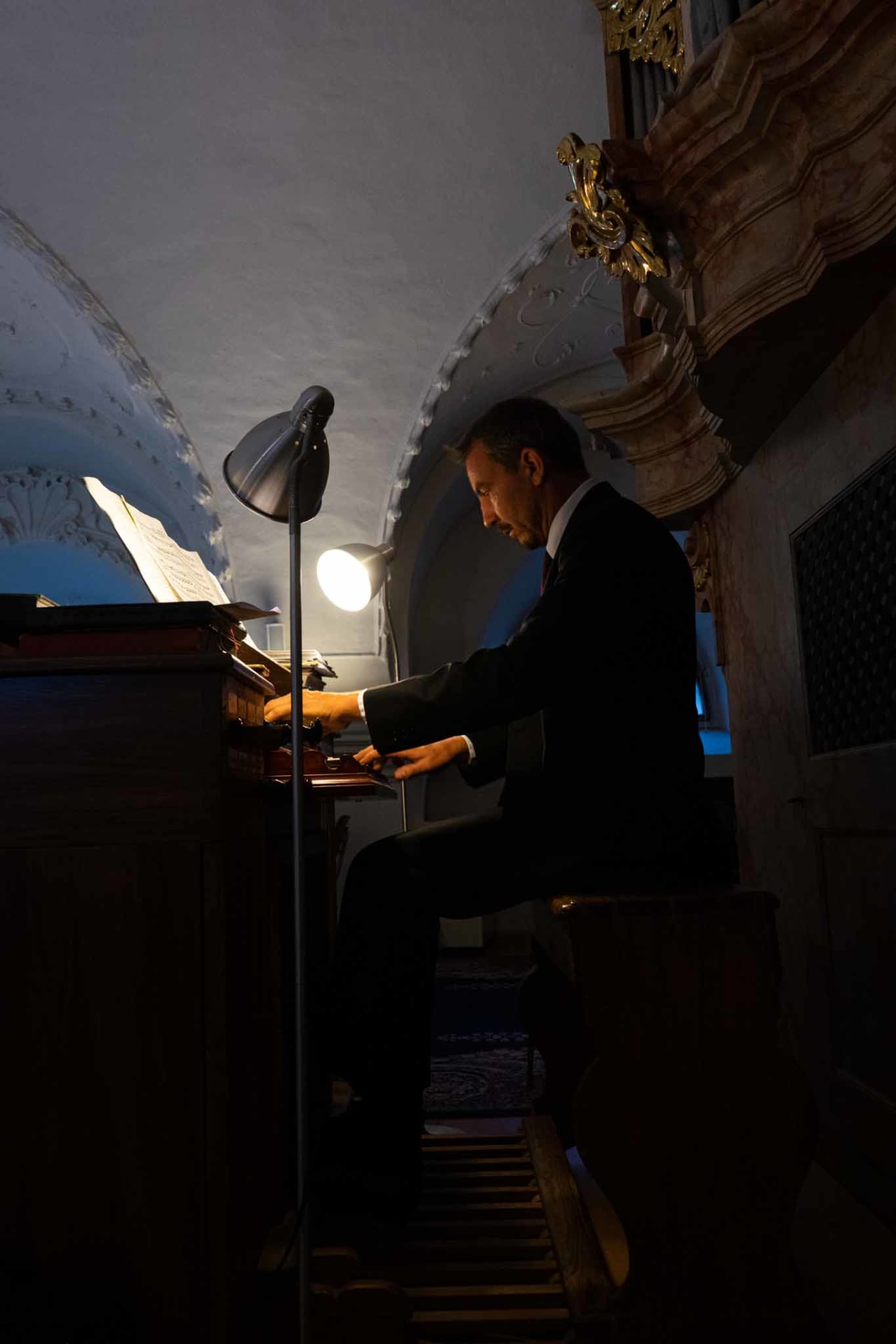
Czech organ virtuoso Pavel Kohout (1976), winner and laureate of many prestigious international organ competitions in Ljubljana 1998, Vilnius 1999, and Tokyo 2000, has gained a reputation as a world-renowned concert player thanks to his exceptional talent, dazzling technique, and natural musical sensibility. He is also the recipient of special prizes from music competitions for the best interpretation of the works of J. S. Bach and the holder of the "Dancing Angel" award from the EUMC. His competition successes have opened the way for recitals at major international music festivals, concert halls, cathedrals, churches, and many other concert venues around the world.
Pavel Kohout studied at the Prague Conservatory and the Academy of Performing Arts (HAMU) in Prague (Doc. J. Tůma) and also at the Sweelinck Conservatory in Amsterdam, where he studied the historically informed interpretation of organ music under the guidance of the specialist Prof. Jacques van Oortmerssen. He also drew on the knowledge and experience of renowned lecturers: Harald Vogel, Olivier Latry, Jean Boyer, Peter van Dijck, and Ludger Lohmann. In 2010, he received his doctorate from HAMU, where he focused on the authentic interpretation of the works of Josef Seger and composers of the South German organ school.
His solo concert activities have taken him to all European countries, as well as repeatedly to Japan, South Korea, Hong Kong, Singapore, Taiwan, Israel, Syria, Russia, the USA, Mexico, Australia, New Zealand, and Cuba. He has been a guest at major domestic festivals such as the Prague Spring International Music Festival, Český Krumlov, Janáček’s May, Janáček’s Hukvaldy, Concentus Moraviae, the organ festivals in Olomouc and Litoměřice, the FOK organ series, and others. As a soloist, he has performed with many prominent domestic and foreign orchestras. Pavel Kohout’s artistic activities include the production of CD recordings, programmes for Czech Radio and Television, and other stations such as the BBC, SBS, ORB, and Radio 3. He teaches at international masterclasses and provides private consultations. From the next academic year, he will also teach at the Janáček Academy of Music and Performing Arts in Brno. www.pavelkohout.org
Entritt
Voluntary admission
Programme
(1678–1741)
organ transcription by J. S. Bach, BWV 978 Allegro Largo Allegro
(1678–1741)
(1716–1782)
(1716–1782)
(1685–1759)
Messiah, HWV 56
(1685–1759)
Joshua, HWV 64
(1656–1746)
(1656–1746)
(1756–1791)
(1756–1791)
Vesperae solemnes de confessore, K. 339
(1756–1791)
(1684–1748)
Allegro Adagio Allegro
(1678–1741)
Laudate pueri Amen
Fotogallerie




Ort
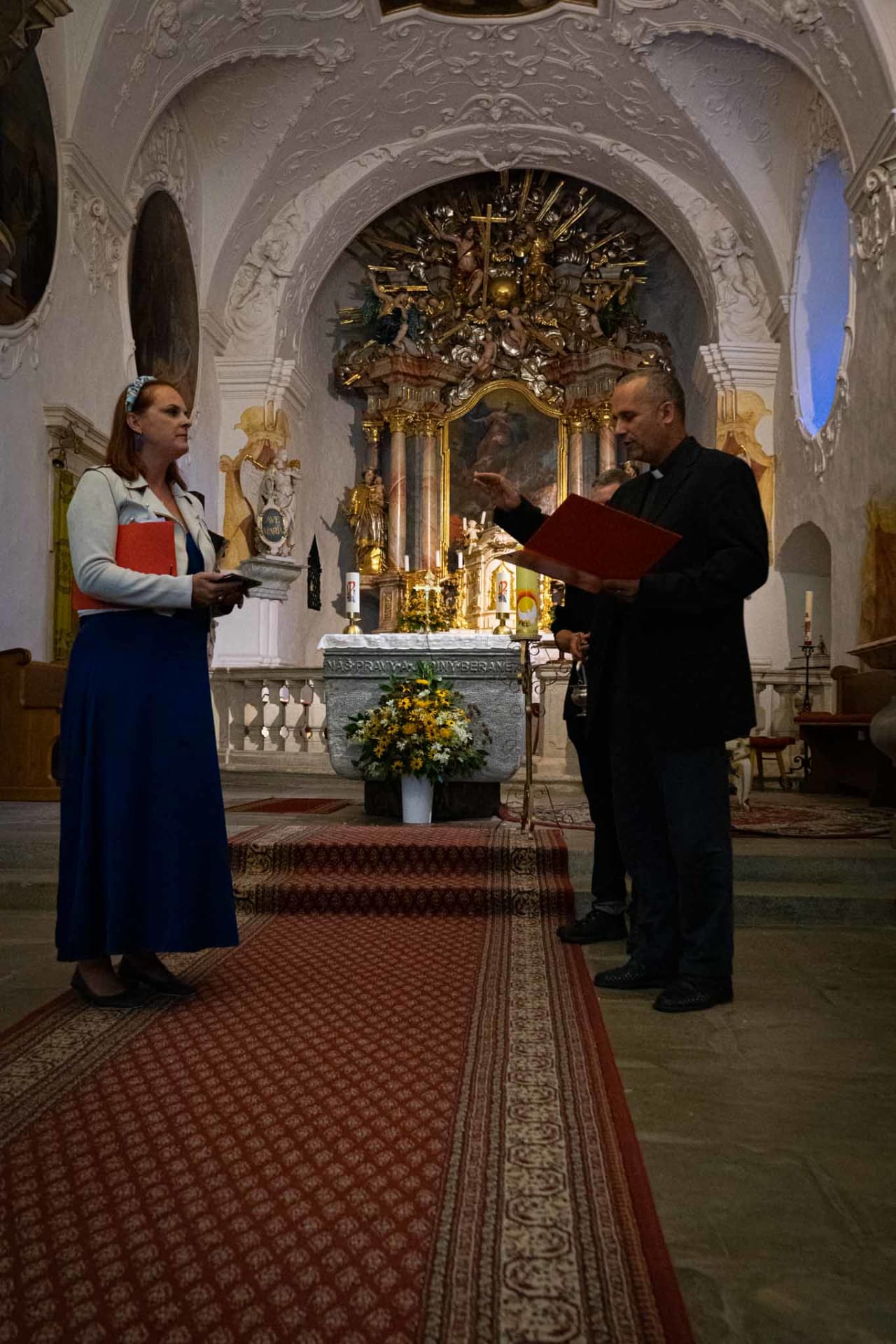
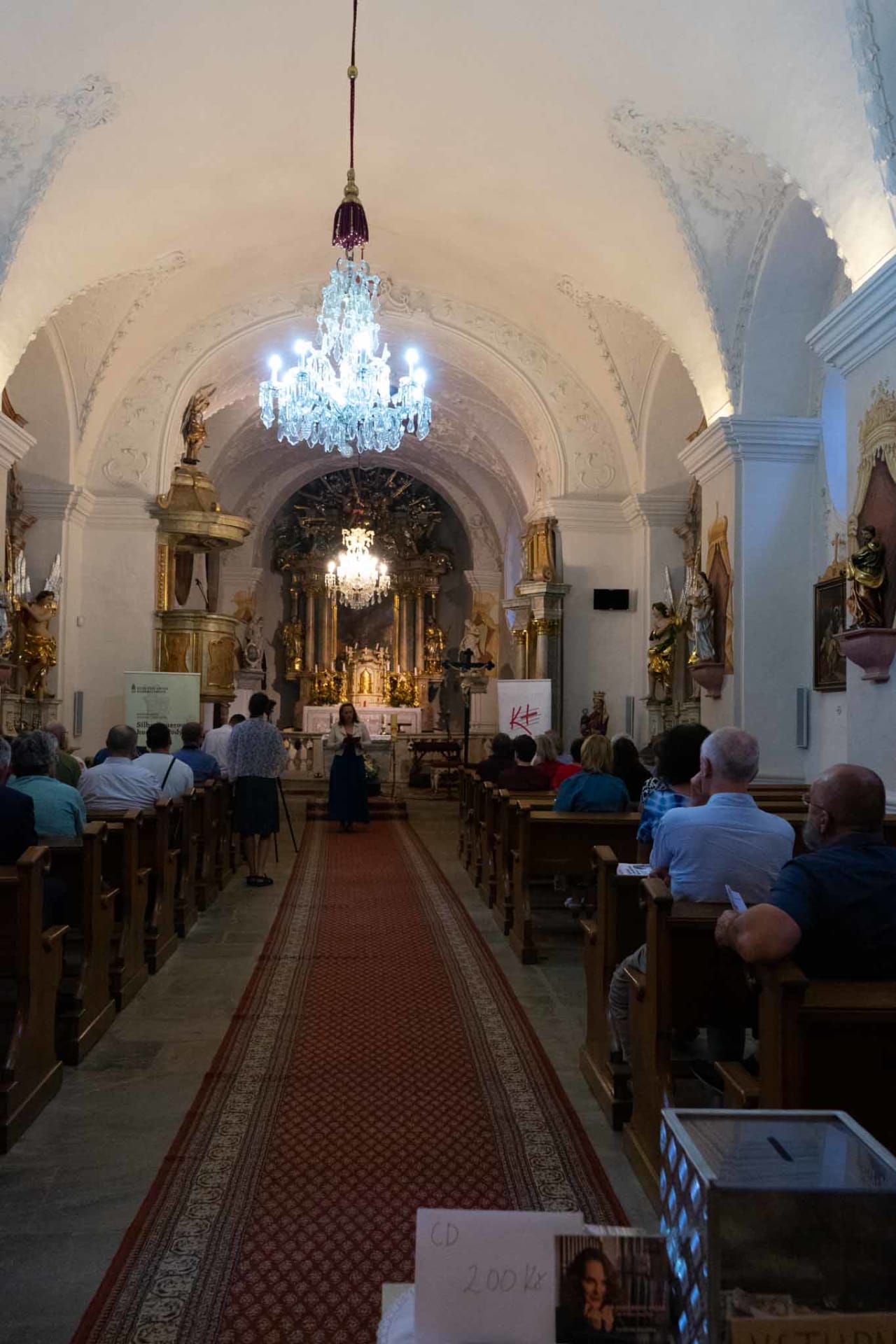
The Church of the Assumption of the Virgin Mary is the parish church of the Roman Catholic parish of Vranov nad Dyjí, located in the centre of the town of Vranov nad Dyjí. It is a late Romanesque building, later rebuilt in the Gothic style. The church, as part of the complex including the presbytery, is protected as a cultural monument of the Czech Republic. The church was built in the first half of the 13th century and was subsequently extended. In its original form, the church was sacked by the Swedes in 1645, leaving only the foundations, which are preserved in the walls of the present church. The church was rebuilt in 1685 with the support of the noble Althann family, who continued to support the church in subsequent years. Among other things, Countess Marie Anna Althann donated an altarpiece of the Virgin Mary to the church. Around 1700 the nave was vaulted, around 1720 the original tower was demolished and a new masonry tower was built in 1720. In 1767 the roof was repaired and in 1778 the choir was vaulted. Between 1781 and 1782 the cemetery wall was repaired and a year later a watchman’s house was built, which was converted into an ossuary after 1800 - but was soon demolished. In the 1930s the church was repaired, between 1933 and 1934 the surroundings of the church were repaired and in 1936 the interior was repaired. In 1957 oil stoves were installed in the church, in 1958 the church was painted and in 1968 and 1969 the roof of the sacristy and the chancel were gradually reconstructed. In 1986 the roof of the church was repaired again.
Back to all concerts