Sacred Music of Early Baroque Moravia
from the court of Cardinal Ditrichstein
Saturday, 9. 10. 2021 at 19:00
monastery church
Geras Abbey
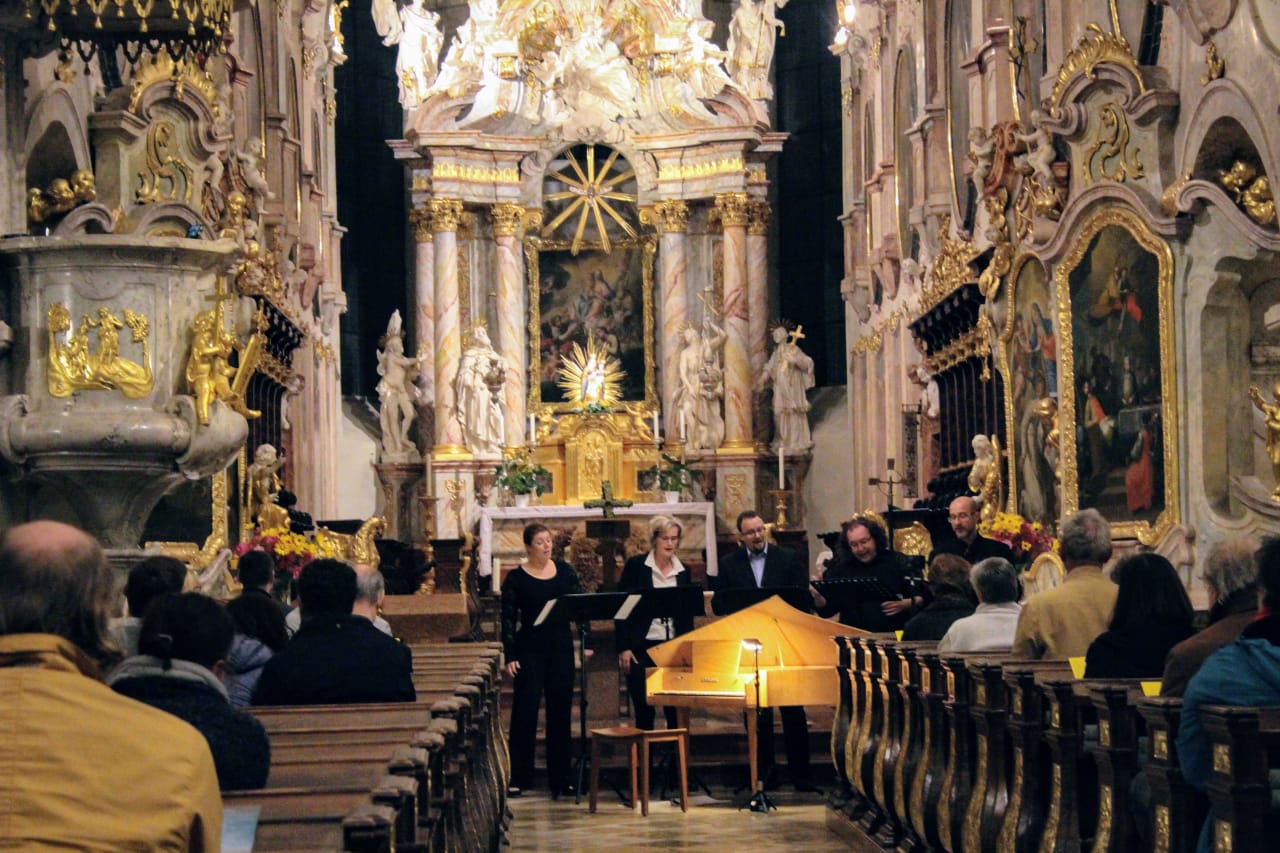
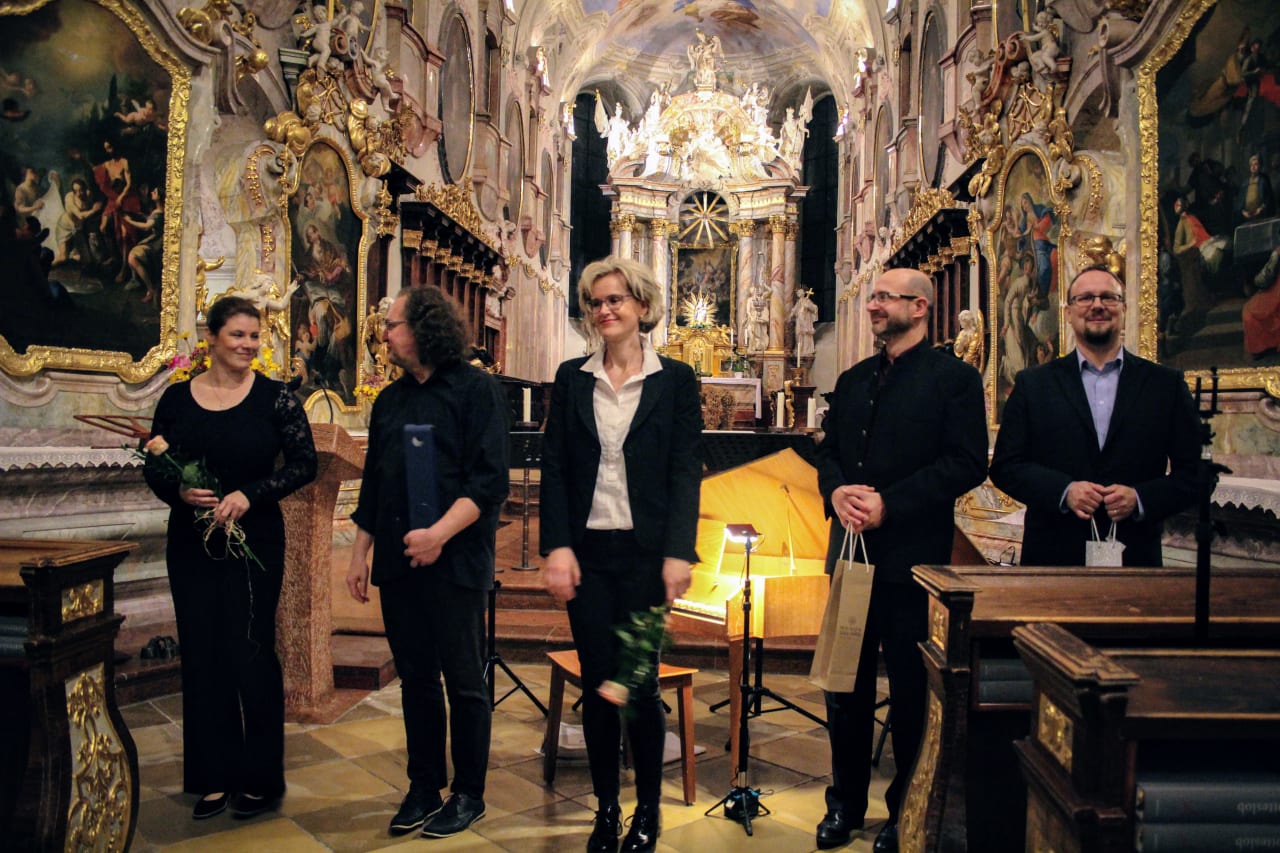
At the concert in the Austrian Geras Abbey, as part of the 2nd year of the international music festival ”Silberbauer’s Musical Thaya Region”, the Brno ensemble Societas Incognitorum, which specialises in the interpretation of 16th and 17th century music, will perform. Baroque works from Moravian choirs will be heard.
Veranstaltung auf Facebook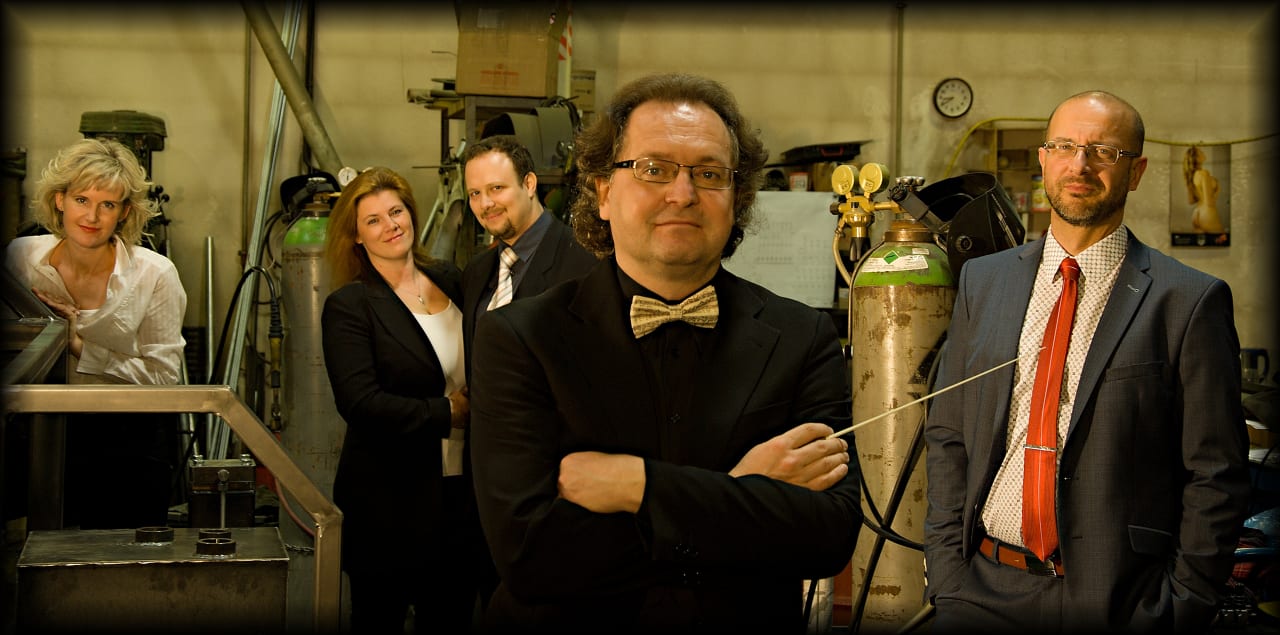
Künstler
-
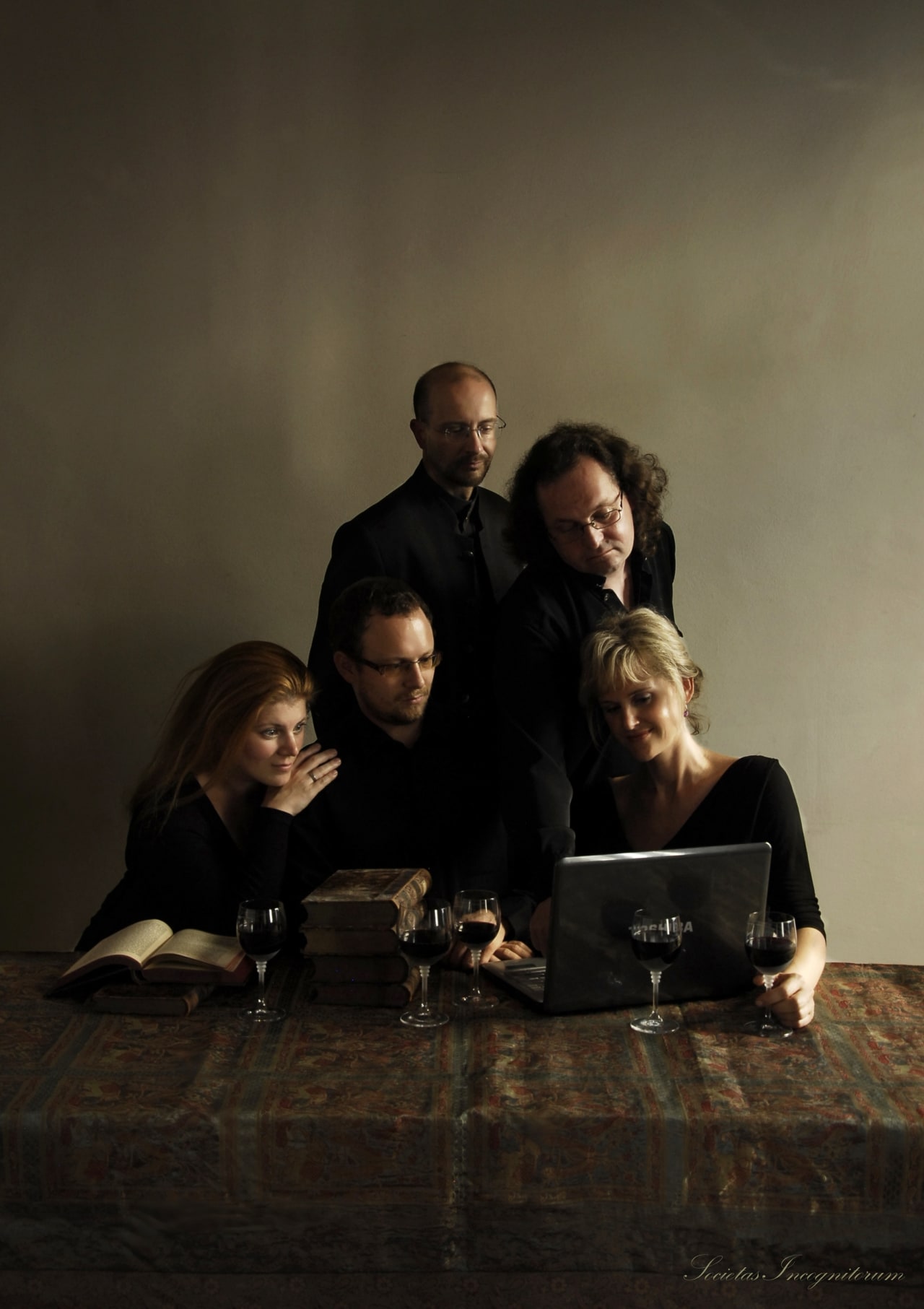
SOCIETAS INCOGNITORUM is a Brno vocal quintet that focuses almost exclusively on the interpretation of 16th and 17th century music. It was founded in 1998 as a professional solo ensemble. The ensemble was given its somewhat complex name at its very first concert, and since it did not want to expand the ranks of “Music”, “Capell” and “Ensembles”, it kept it.*. The ensemble initially grew its repertoire on the works of leading Renaissance and early Baroque composers (Gesualdo, Hassler, Monteverdi, Schütz,..), but later its attention turned in another direction. It began to seek out and discover authors whose lives and work are closely related to the Czech and Moravian regions, but who remained completely unknown to today’s public - including experts.
Thanks to the research activities of the artistic director MgA. Eduard Tomaštík, Ph.D., the ensemble, in cooperation with Czech Television and Radio, has premiered compositions from the main Moravian centres: Olomouc, Mikulov, Kroměříž, Jindřichův Hradec, etc.
It has thus discovered a number of magnificent top-class works that are at least on the same (if not higher) level as the works of their more world-renowned colleagues. It is precisely this activity that is characteristic of the ensemble and highly valued in professional circles. Today, these compositions form a broad repertoire base of the ensemble, with which it has undertaken countless world premieres and intends to continue this endeavour with a number of other unique titles that it now has at its disposal. The name of the ensemble has thus gained a new dimension - with a little exaggeration, it can be said that Societas Incognitorum presents to the wide audience a kind of “society of unknown” excellent authors who, however, inexplicably fell into oblivion in the course of time.
- Kateřina Šujanová (CZ) – soprano
- Yvetta Fendrichová (CZ) – soprano
- Ondřej Múčka (CZ) – alto, tenor, organ
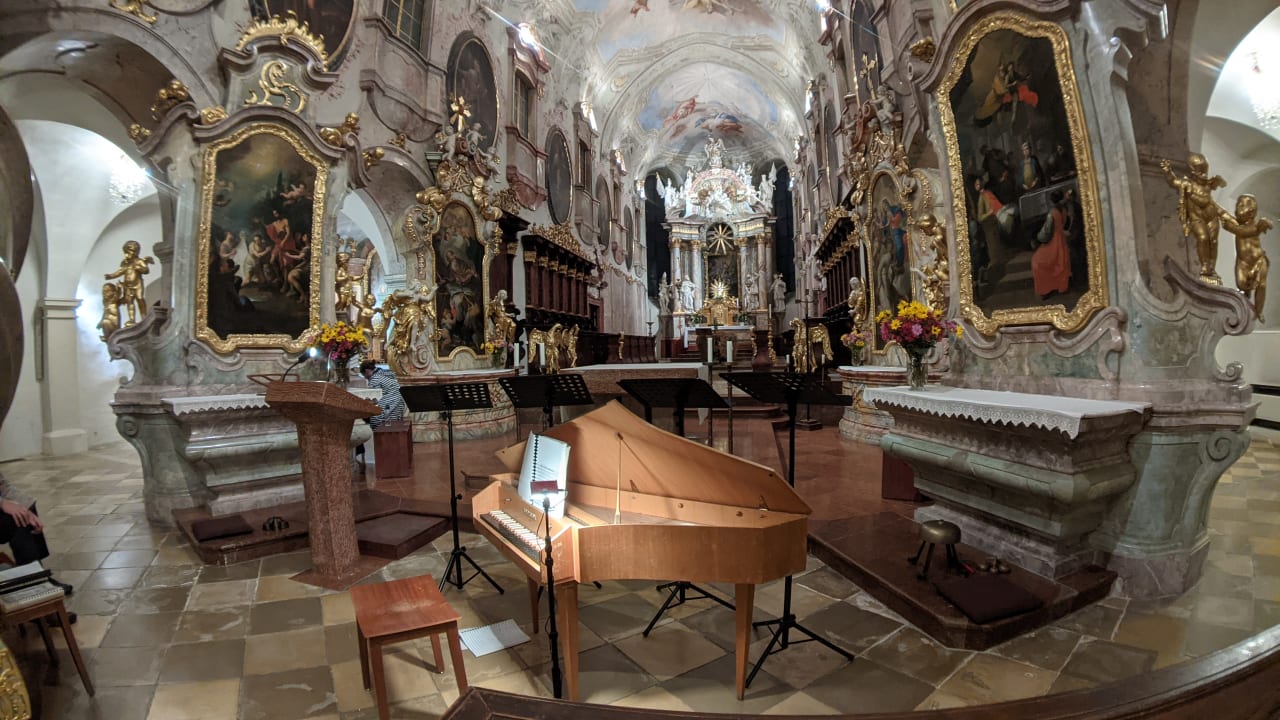
- Eduard Tomaštík (CZ) – tenor, spinet, artistic director
- Martin Šujan (CZ) – bass
Entritt
Voluntary admission
Programme
(1653–1704)
(1600–1655)
(1550–1591)
(1600–1665)
(1600–1676)
Fotogallerie




Ort
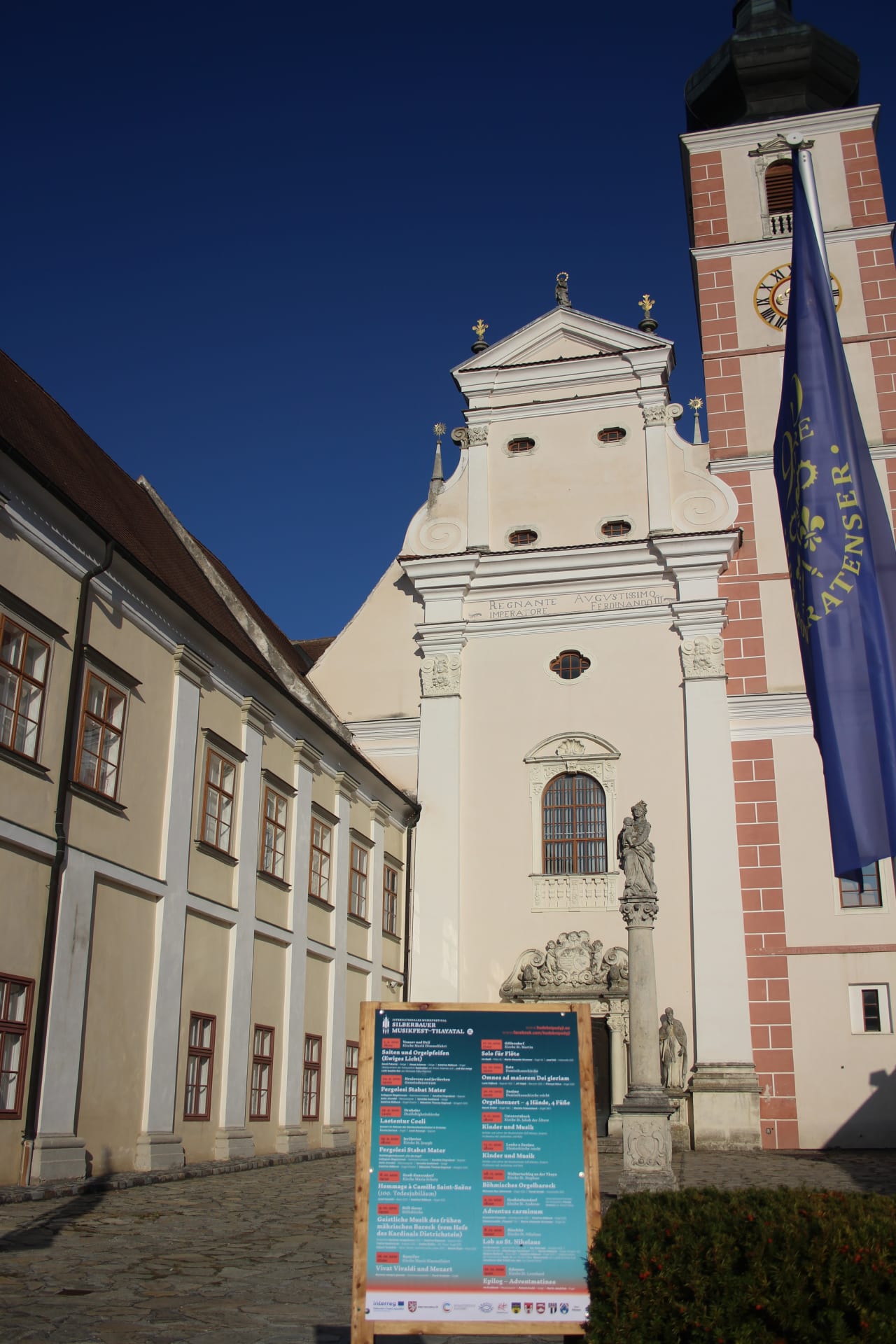
Geras Monastery was founded in 1153 as a daughter monastery of Seelau by Ekbert and Ulrich of Pernegg and was settled by Seelauer Chorherren. The monastery has a rich history, which includes its destruction during the war between King Ottokar II. Přemysl and Rudolf of Habsburg in 1278, plundering by the Hussites in 1419-1436 and occupation by the Hungarians in 1486. In the 18th century, the monastery underwent a series of reconstructions and extensions under the leadership of Abbot Nikolaus Zandt, who brought in important artists such as Joseph Munggenast and Paul Troger. Architecturally, the monastery is known for its Marmorsaal with a magnificent fresco by Paul Troger, a library with frescoes by Josef Winterhalder and a number of other artworks. The Stiftskirche, the main church of the monastery, is a Romanesque basilica that was later Gothicised and in the 18th century Baroqueised.
Back to all concerts